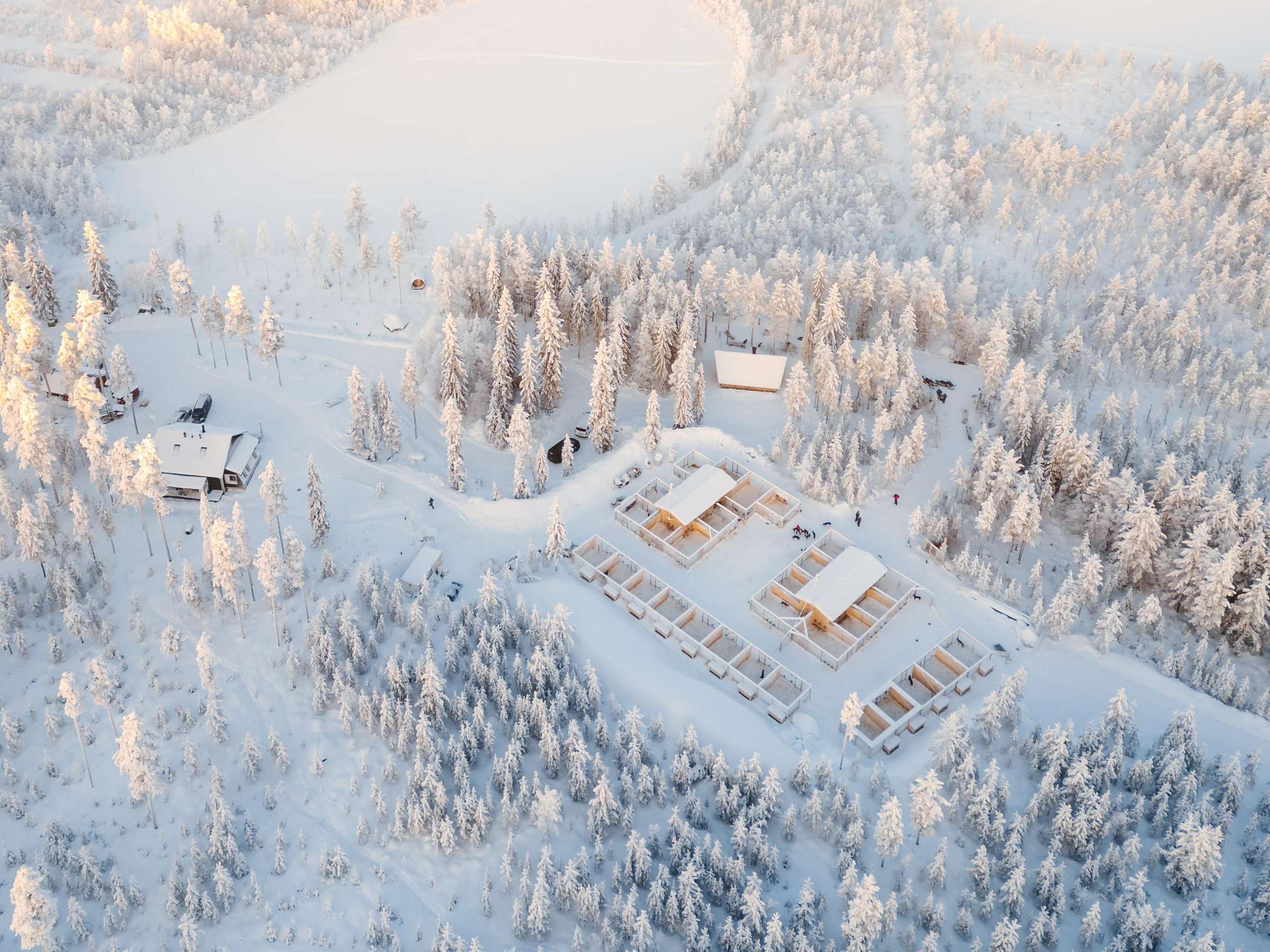
Husky Safari in Rovaniemi 10km - Wilderness Trail and Tour Details
Drive your own husky team 10km deep into the quiet taiga forest. Get a full 25 to 50 minutes on the runners with a racing kennel, swap drivers halfway, then warm up with hot drinks in a kota. Book your sled now, before prime winter slots sell out.
10km husky safari in Rovaniemi - which trail to pick
A 10km run through the taiga forest gives you 25 to 50 minutes of real sledding, enough time to settle into the rhythm of the dogs and learn the brake. The one decision that matters: you drive the sled yourself, or a musher drives while you sit. Most tours here are self-drive, and the dogs make the choice easy.
Driving rulesSome operators require drivers to be at least 18 and one tour operator sets a minimum weight of 50 kg, so check the age limit before booking.
FitnessDriving a sled needs balance and leg strength, and on steep climbs you may step off and push the sled up.
PregnancyHusky rides are not recommended for pregnant women because of the bumps and vibrations on the trail.
BookingPrime midday slots in the Christmas and February seasons sell out months ahead, so reserve early.
TransfersRemote kennels sit 20 to 60 km outside Rovaniemi on snowy roads, so use the operator's included hotel transfer instead of a rental car.
Cold weatherOperators shorten runs when temperatures reach about -28°C and cancel tours at -35°C or colder.
SnowWhen snow is sparse early in the season, tours run on wheeled carts or shorter trails, and guests get an alternative program or a full refund.
Small childrenSome tours refuse children under 4, so pick a family ride for toddlers.
Meet timeBe at your pickup point 10 minutes early, since late arrivals can lose their place.
GearMost tours include thermal overalls, boots and gloves, so wear your own wool base layers and fleece underneath.
accessDriving a husky sled on 10km trails has age and fitness rules: most operators require drivers to be 18 or older, and pregnant women and people with back problems cannot join.
Read the age and health notes for your tour before booking. If you are pregnant or have a back condition, pick a passenger seat on a musher-driven sled instead, or ask the tour operator what your options are.
Which husky safari in Rovaniemi 10km to book
Most flexible
3.5 hours·English
4.2(842)
Rovaniemi: Husky Safari with 1, 5, 10 & 20 KM Options
One booking covers 1, 5, 10 or 20 km, and self-driving starts at the 10 km distance, so you can match the trail to the day.
Free cancellationWinter clothes (overalls, boots, and gloves)Husky sleigh ride (lenght based on your choice)
What a 10km husky safari in Rovaniemi actually looks like
about 4 h
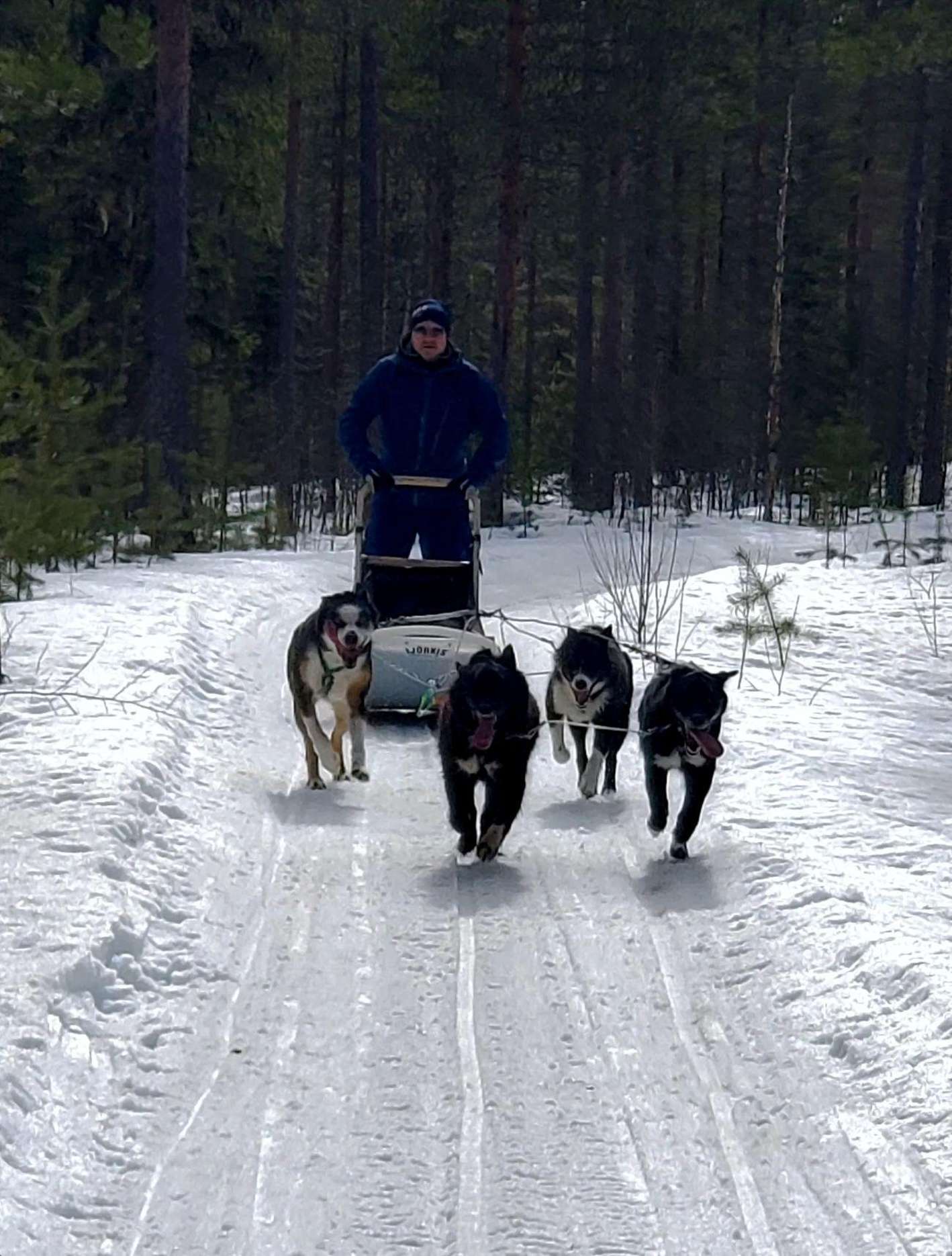
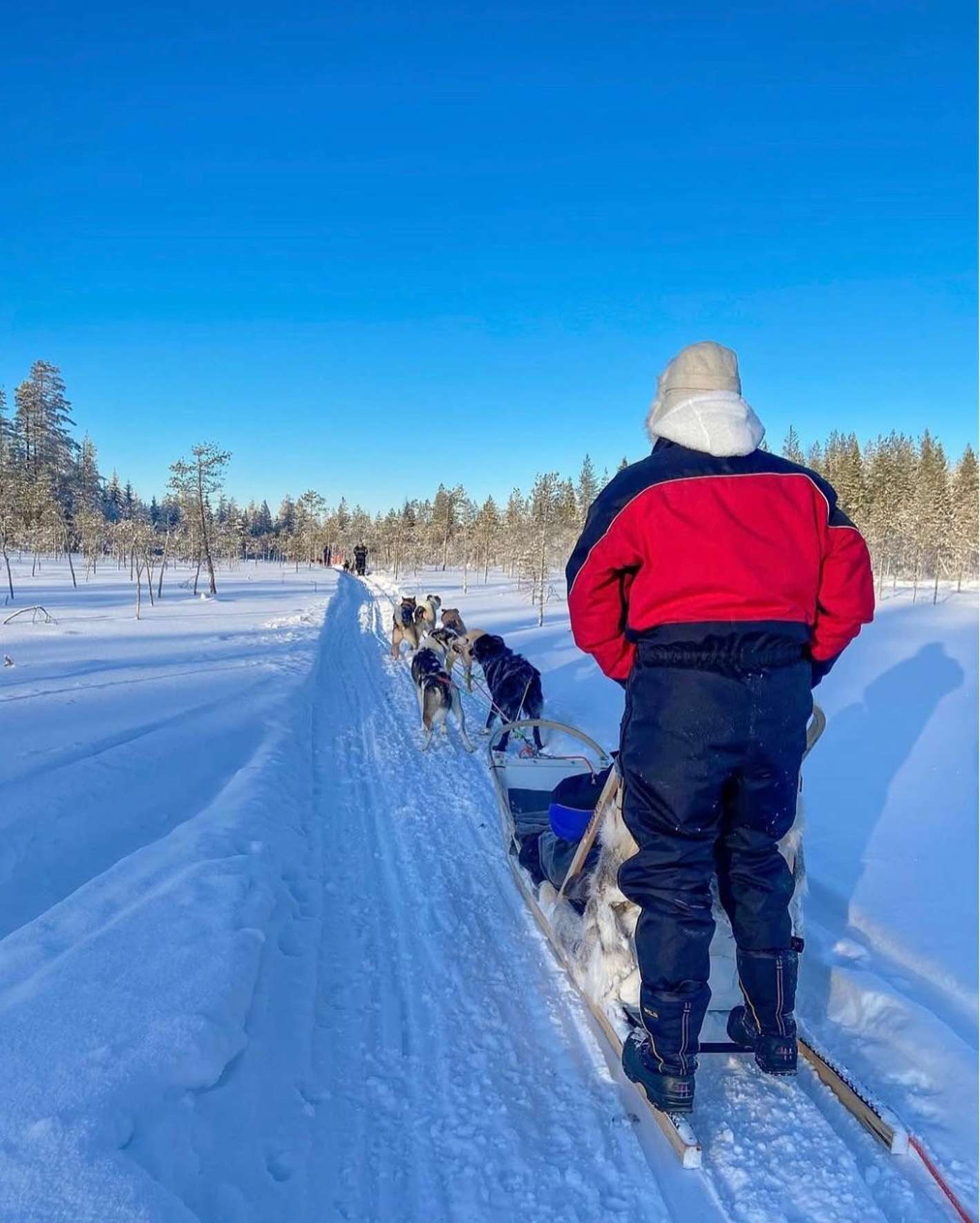
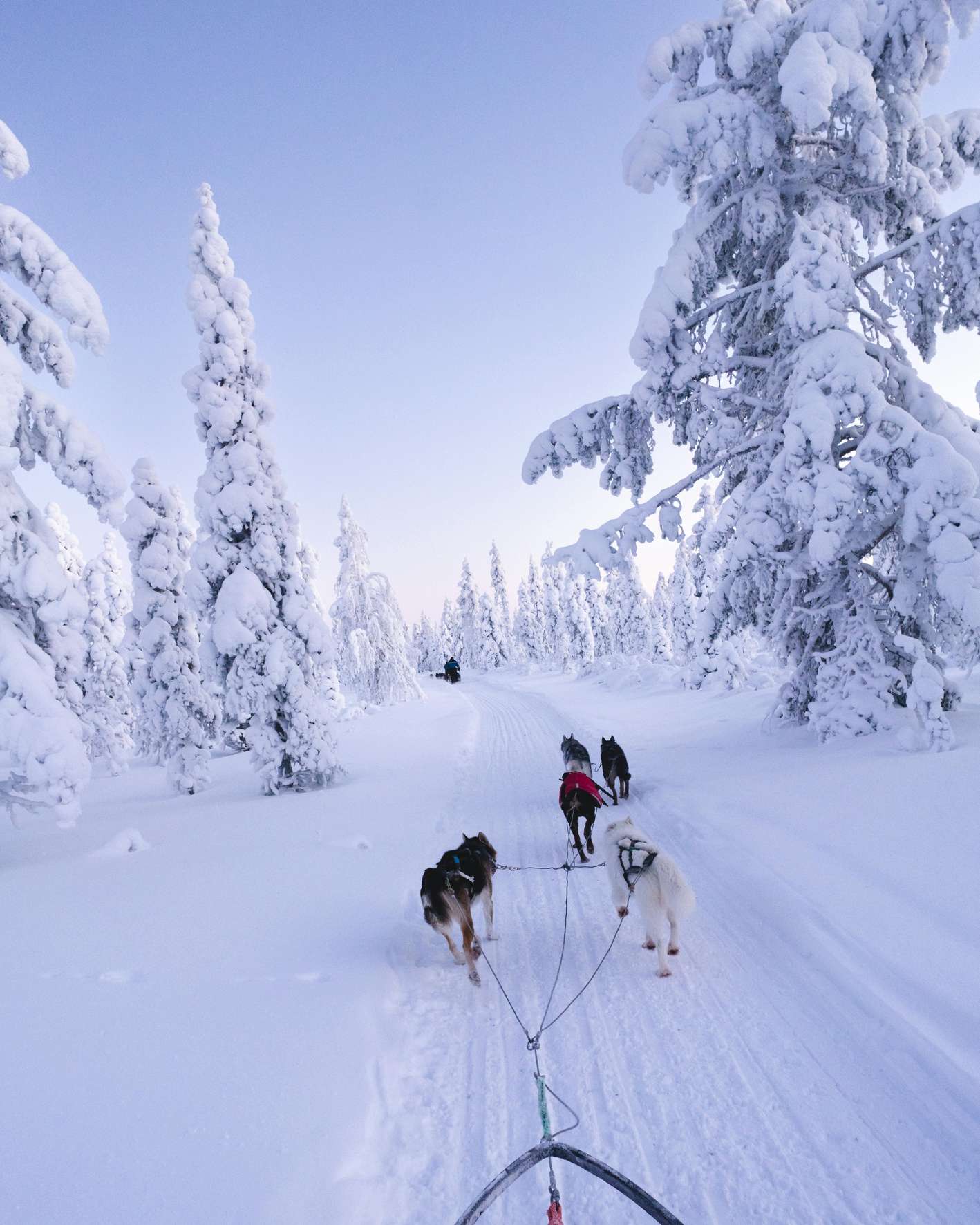
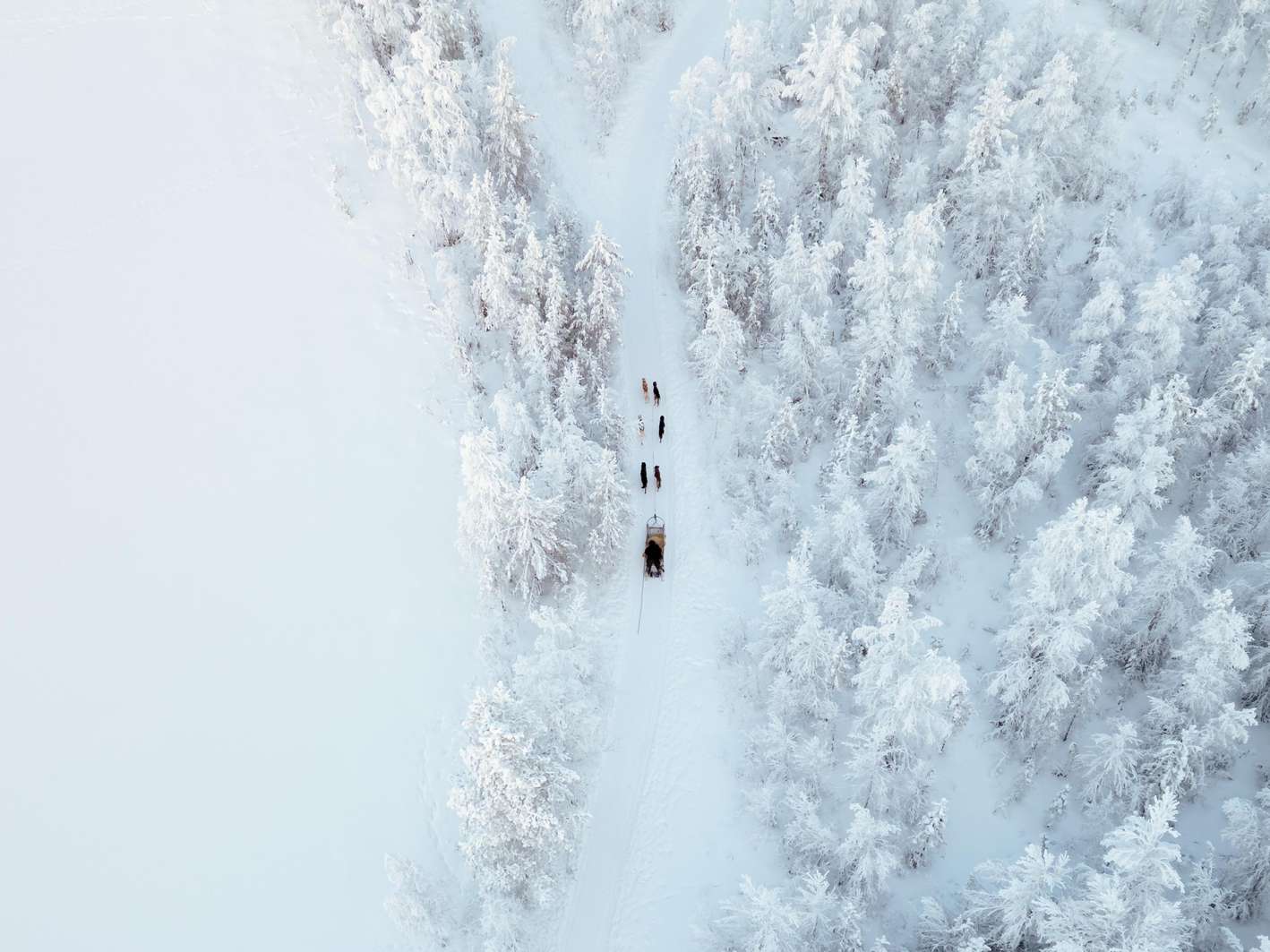
Ten kilometers through private forest, where the only sound is paws on snow and the runners behind you.
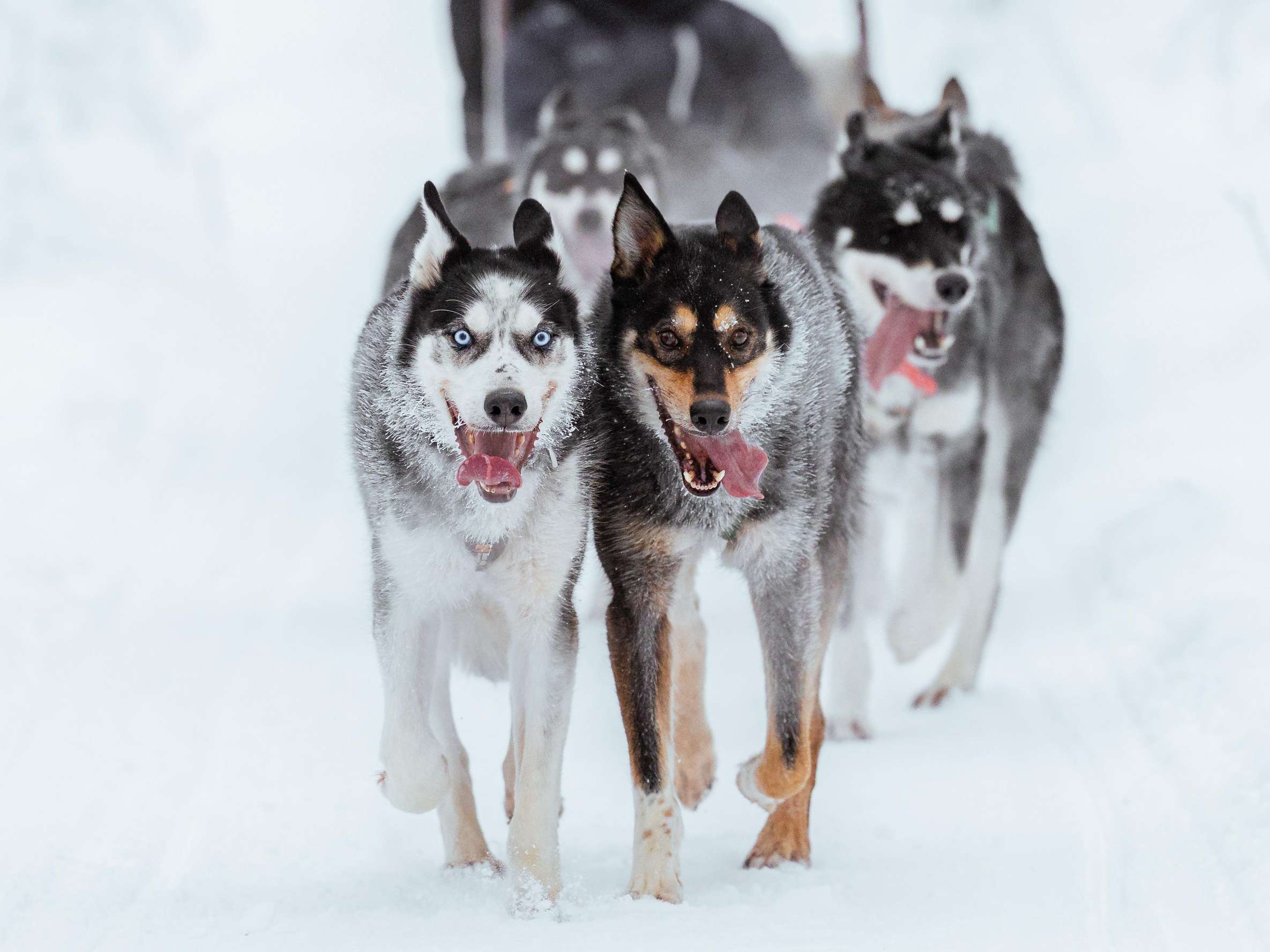
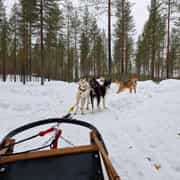
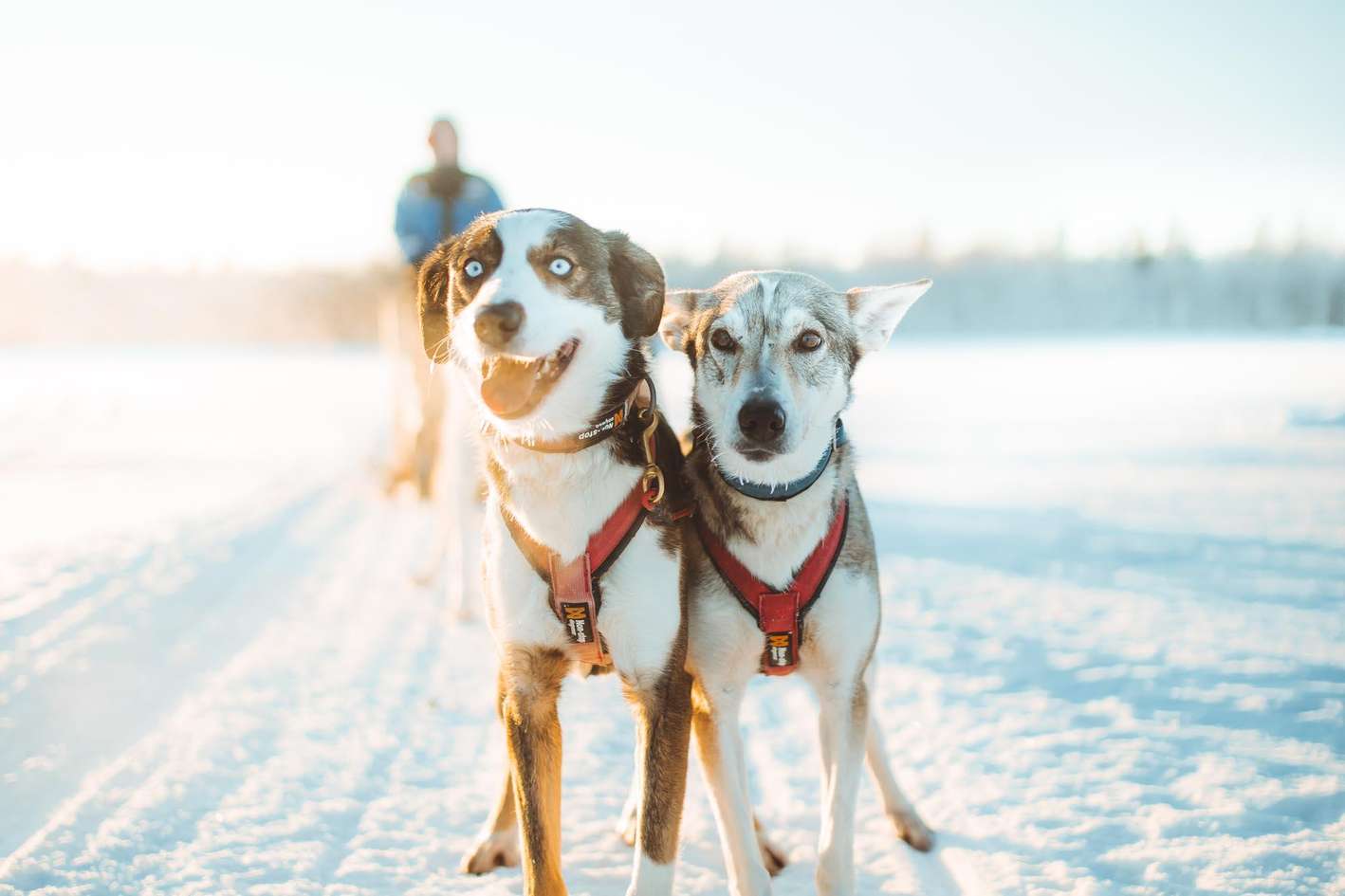
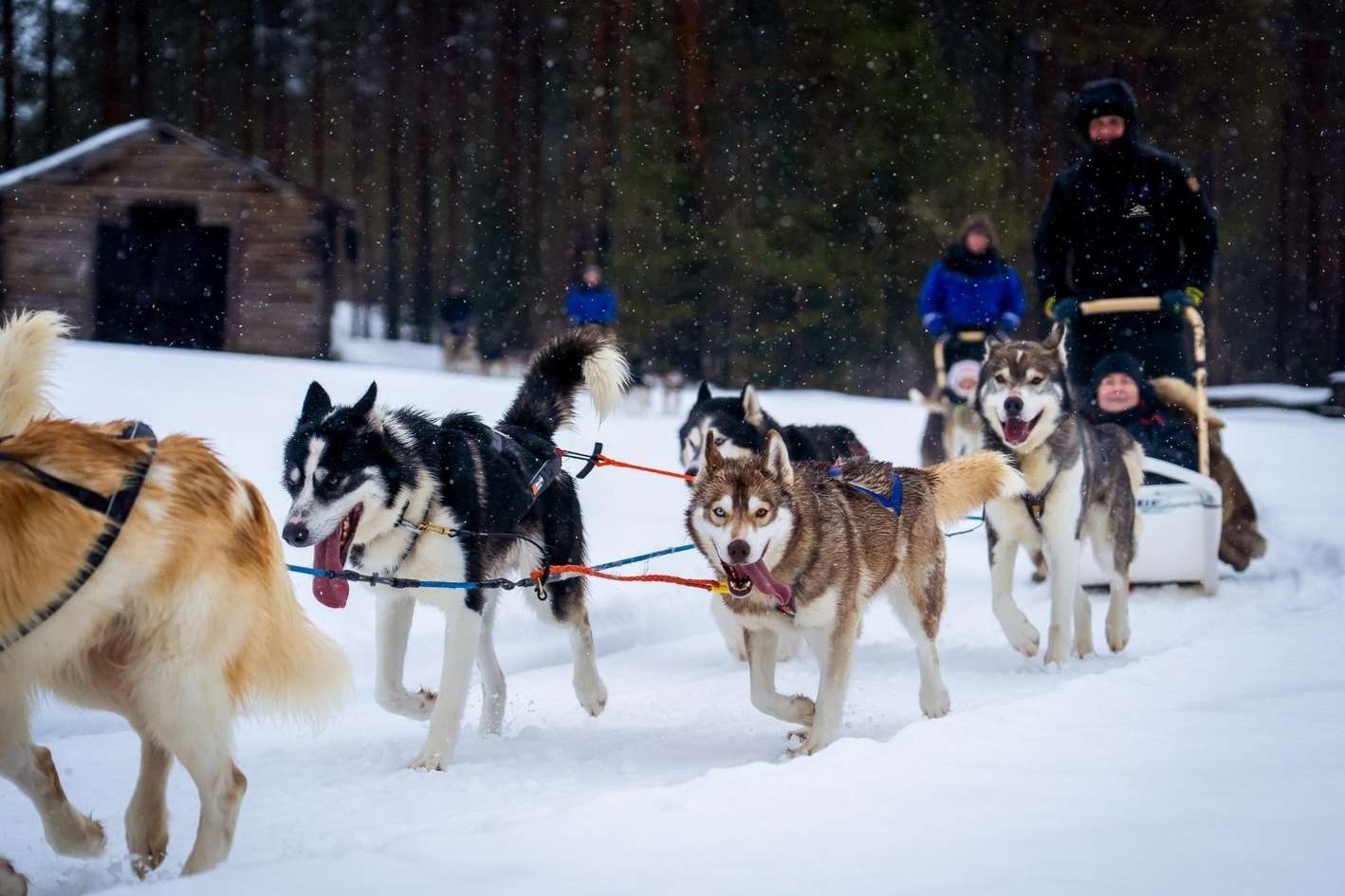
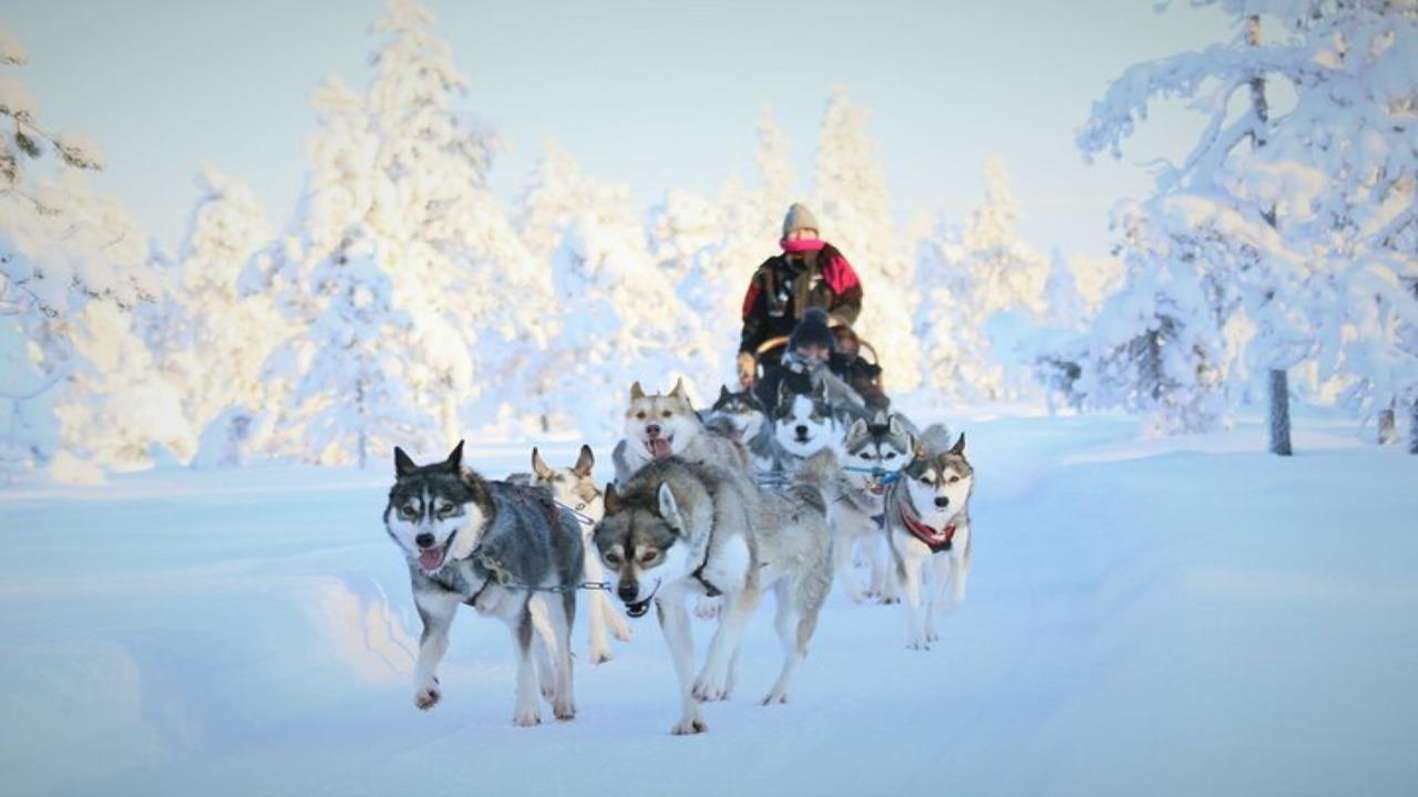
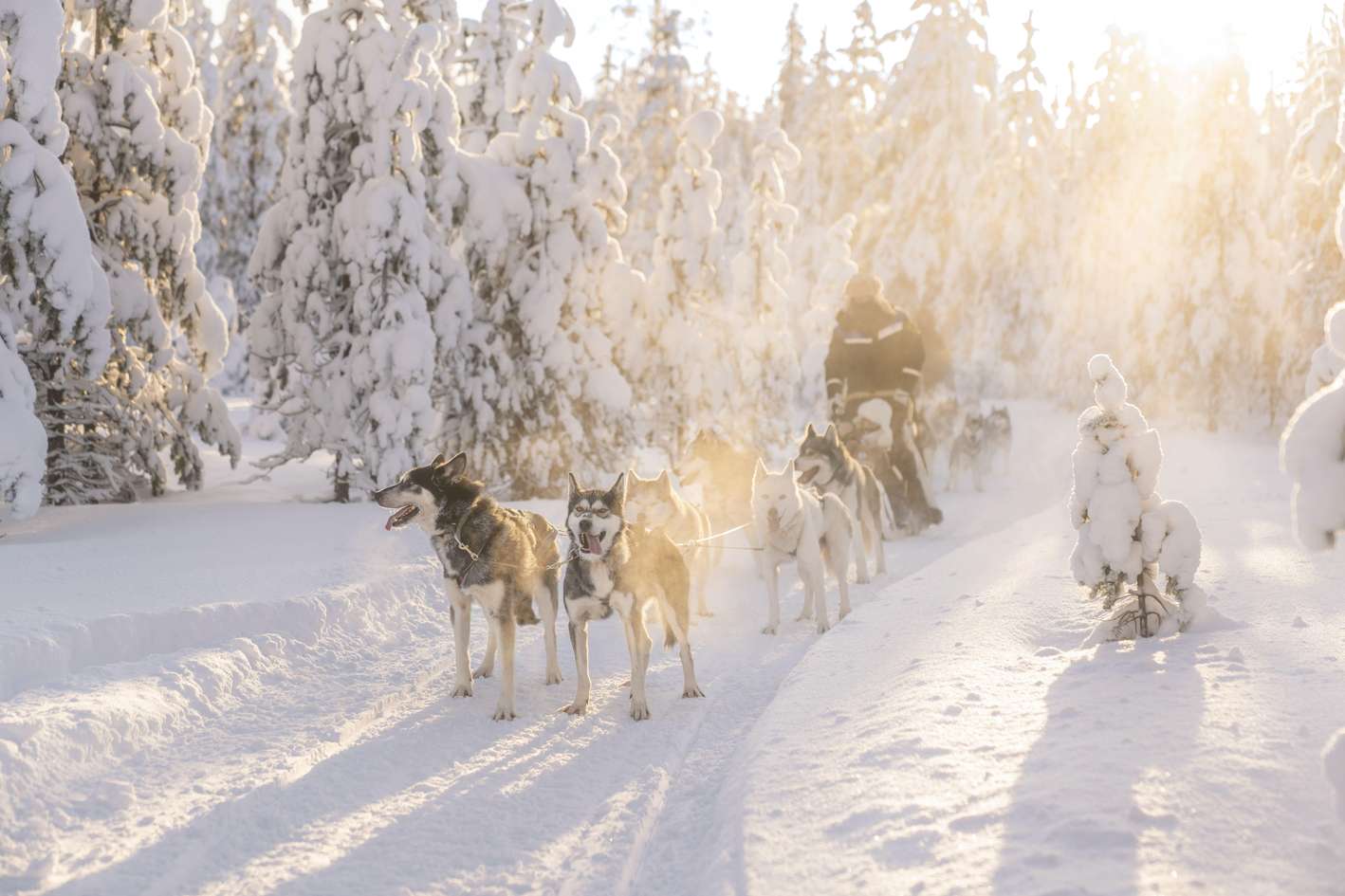
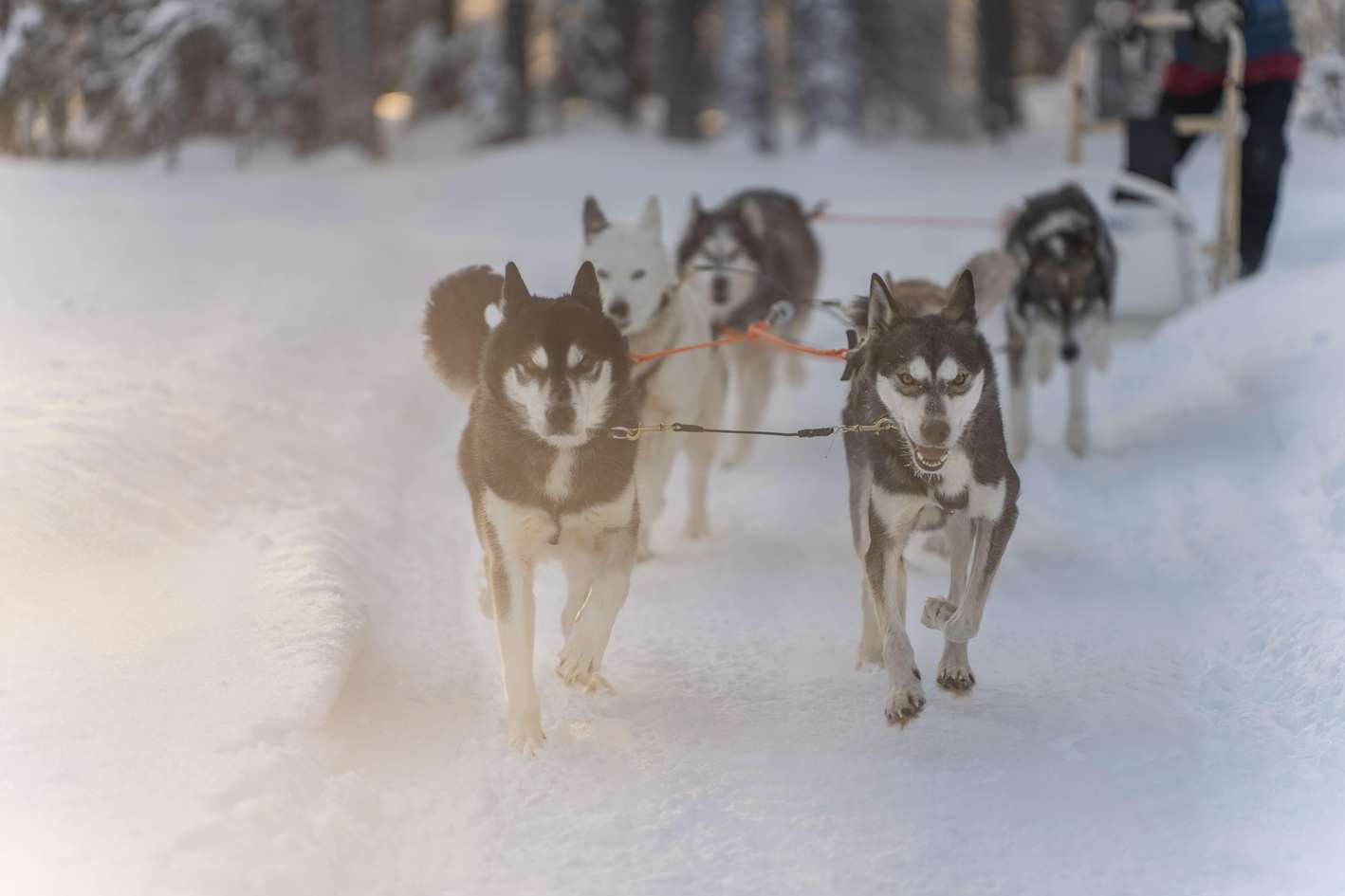
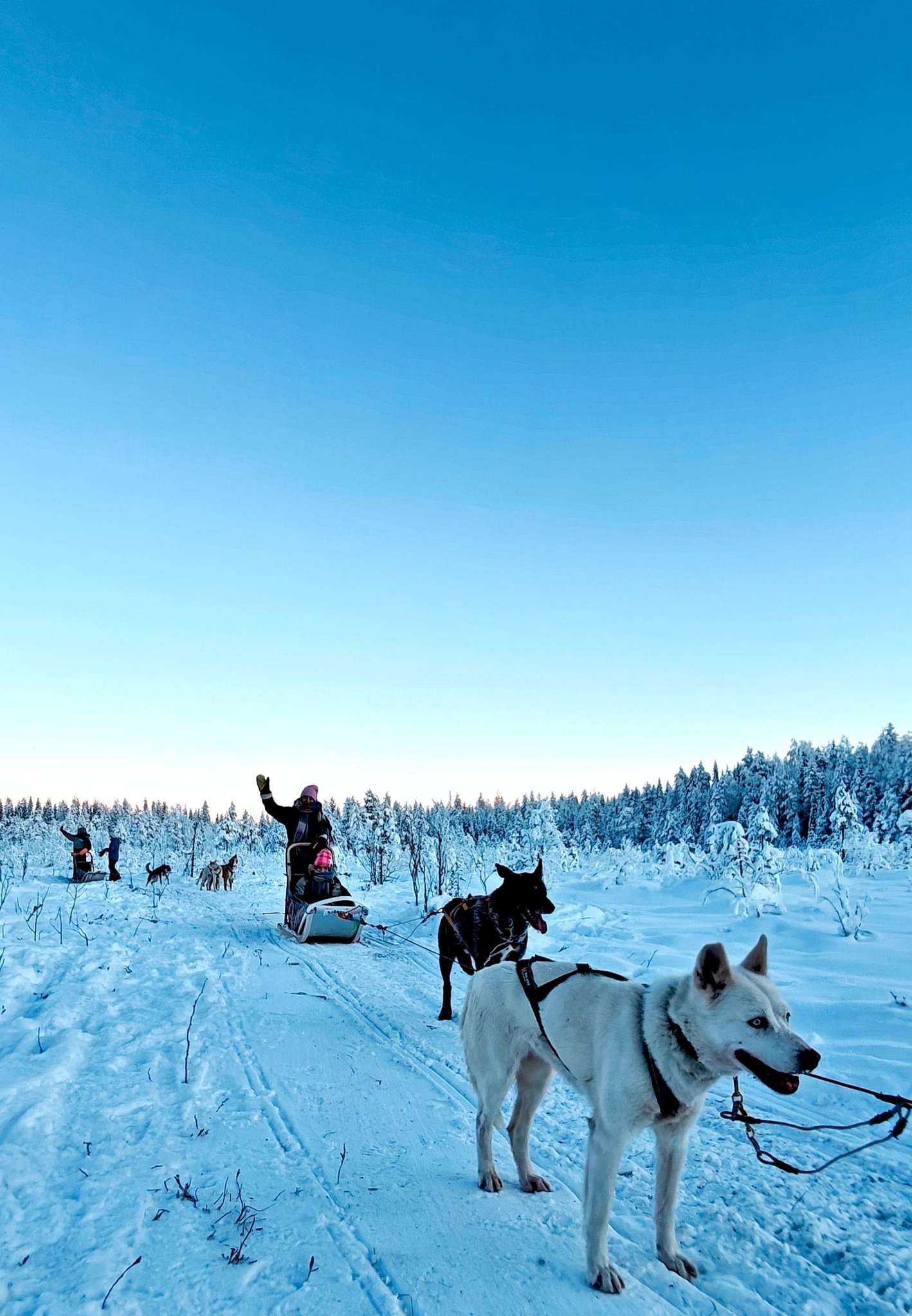
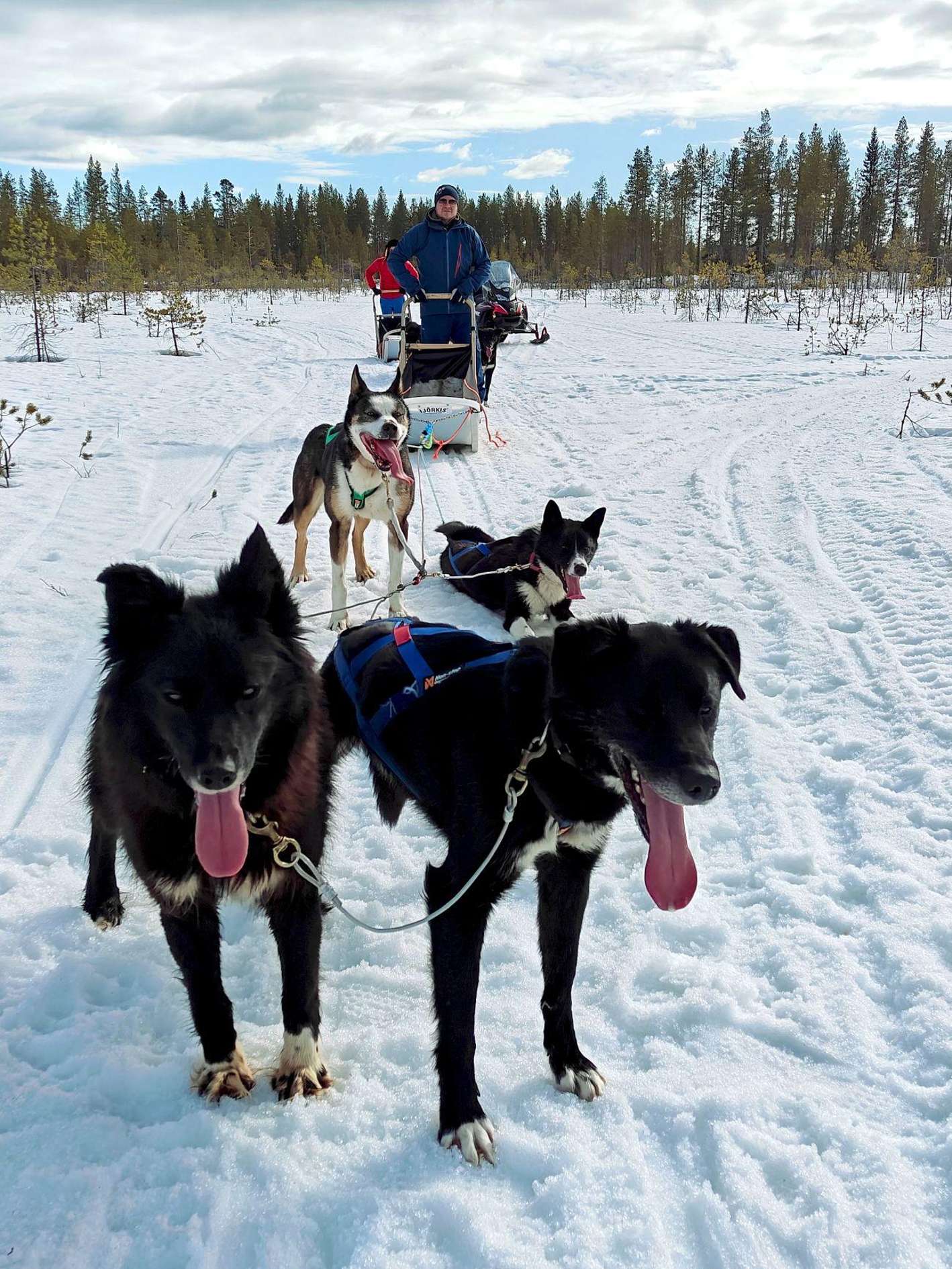
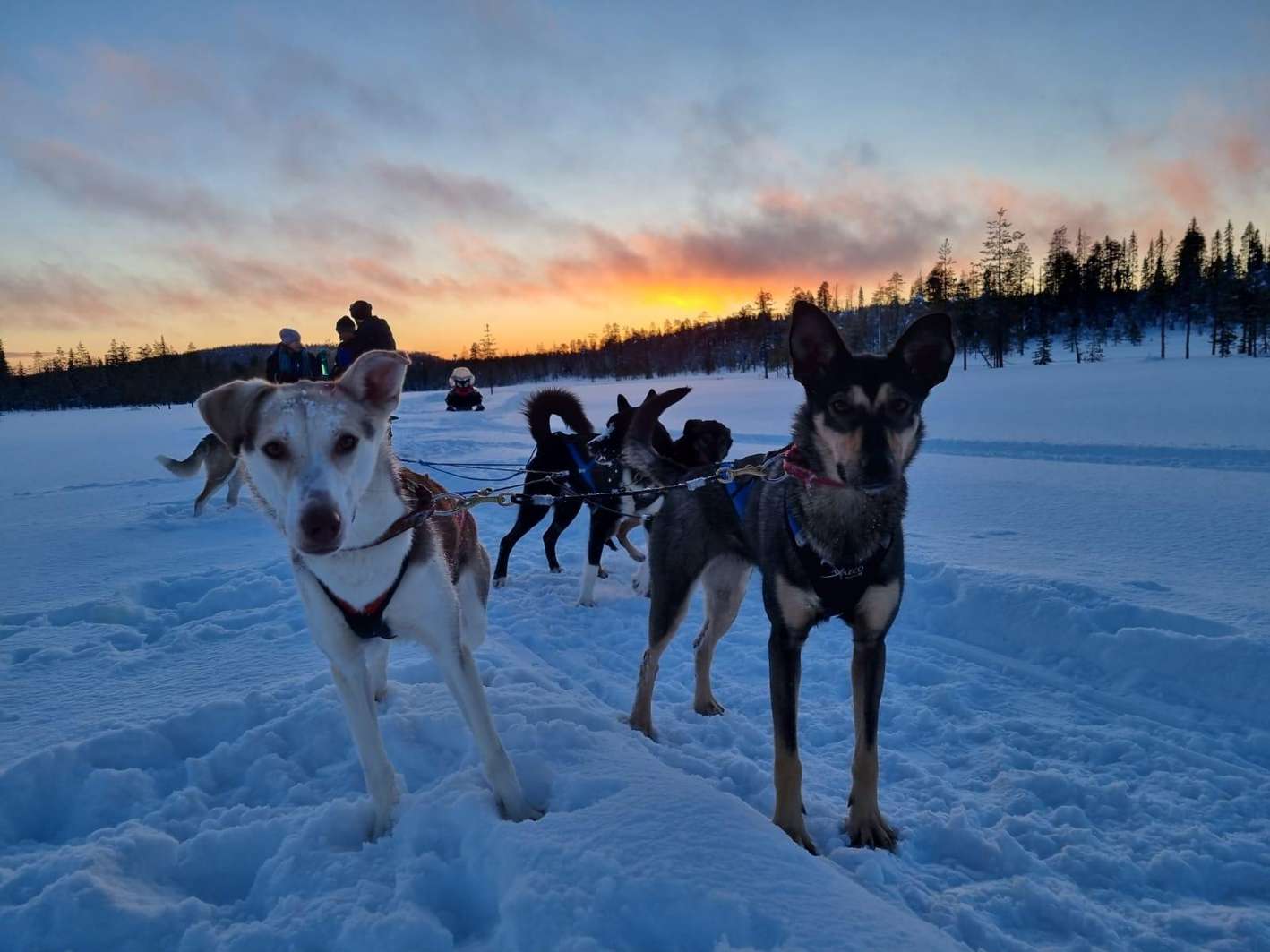
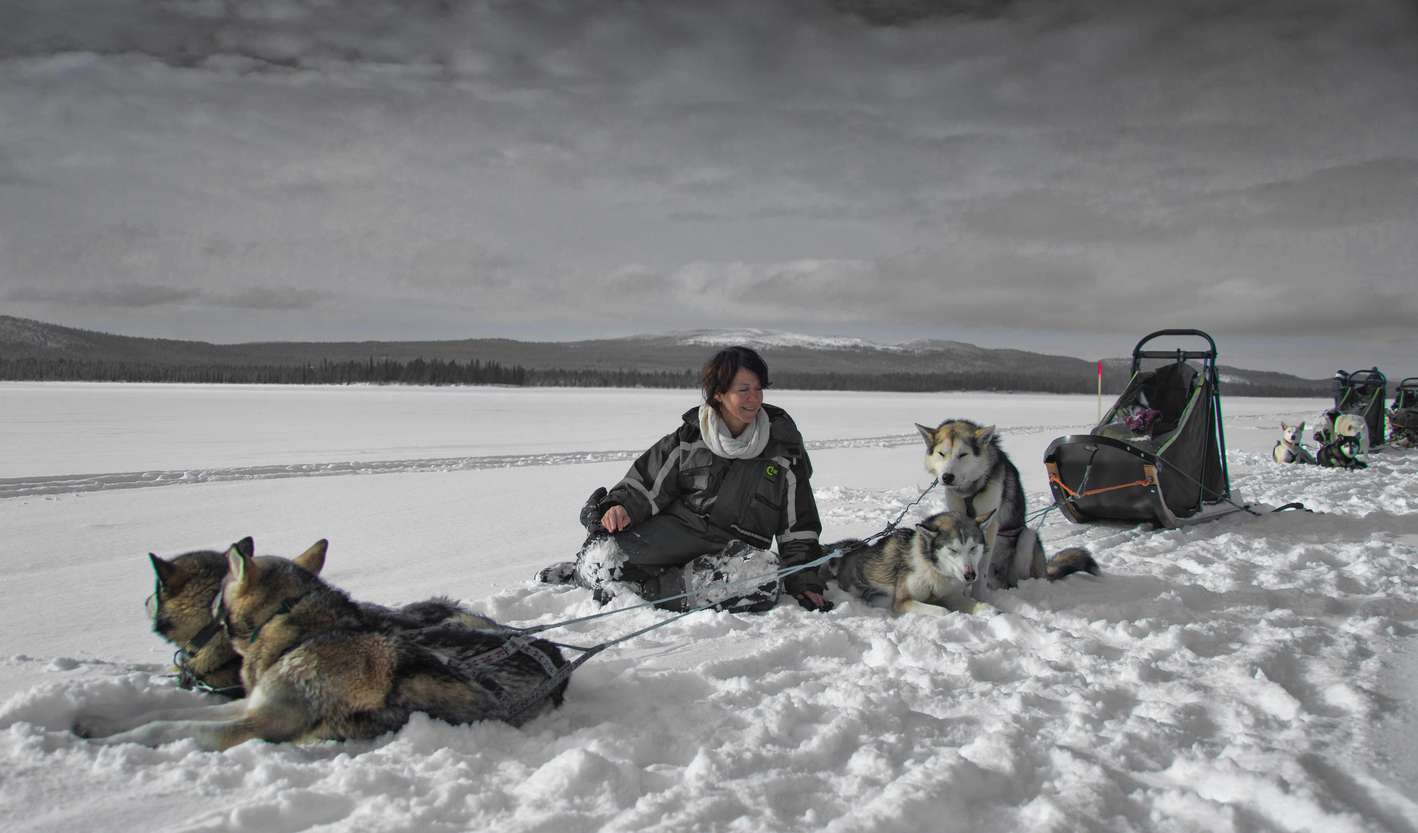
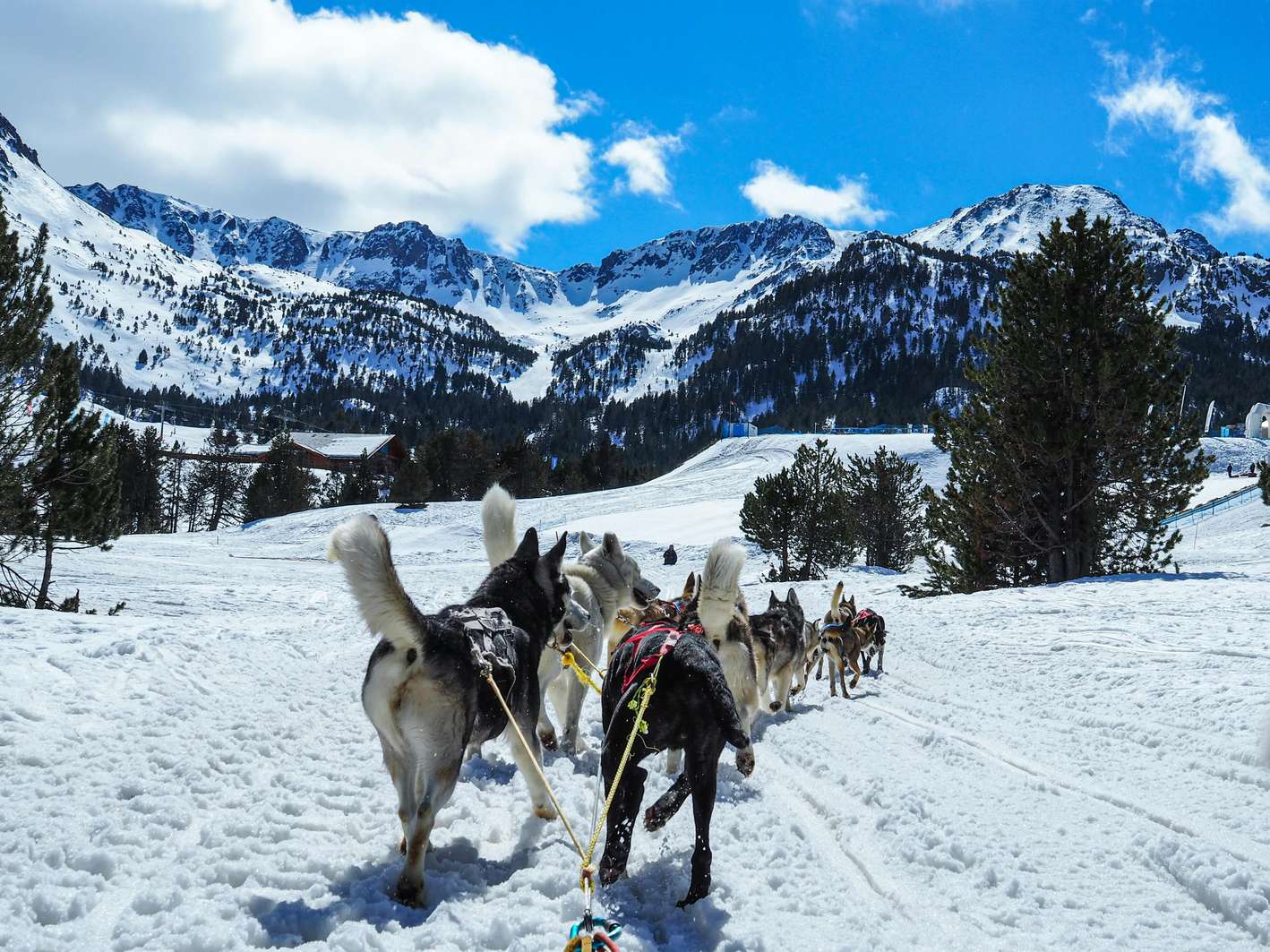
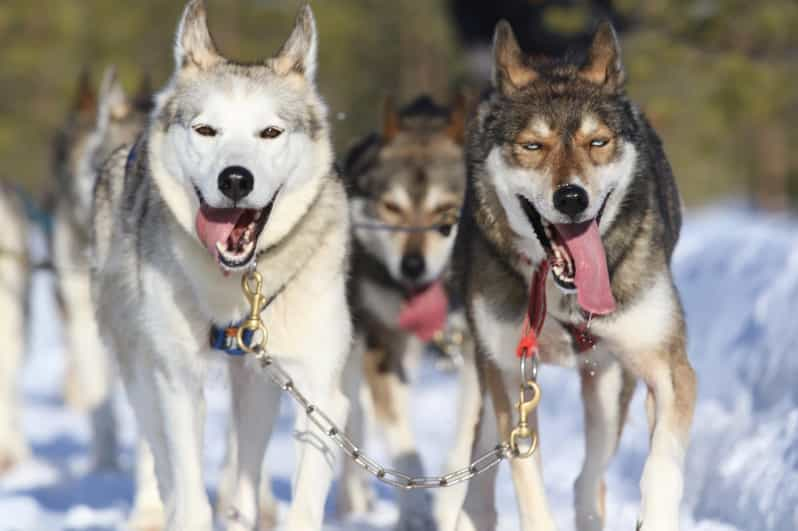
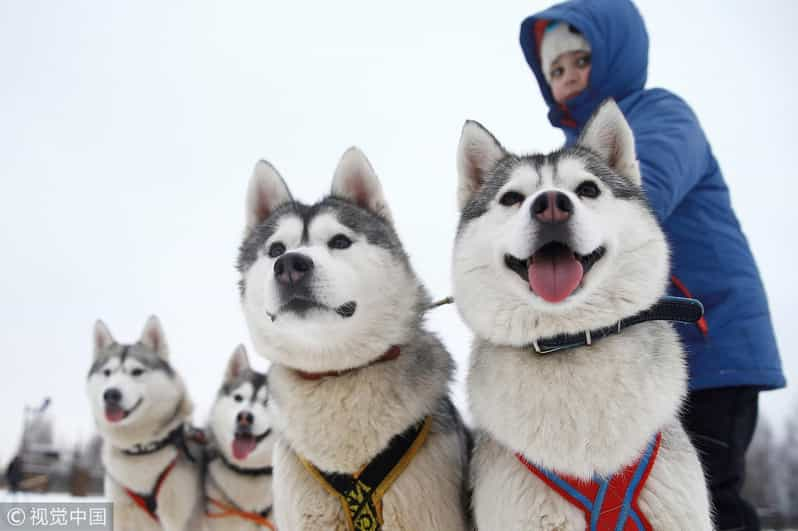
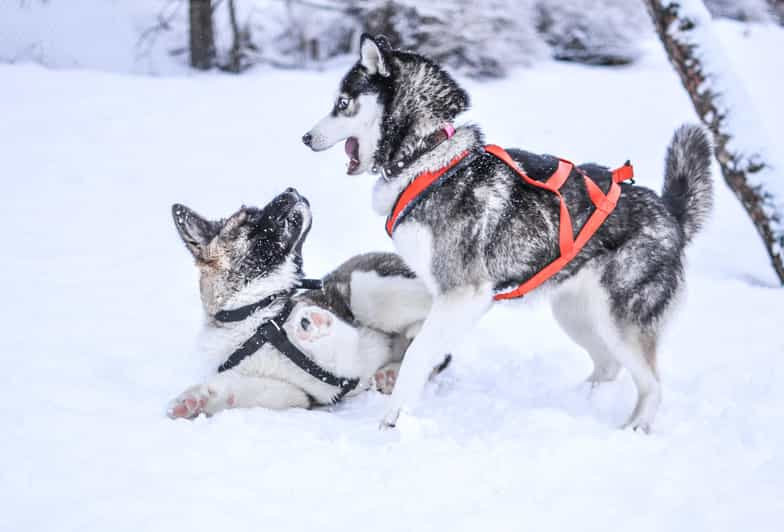
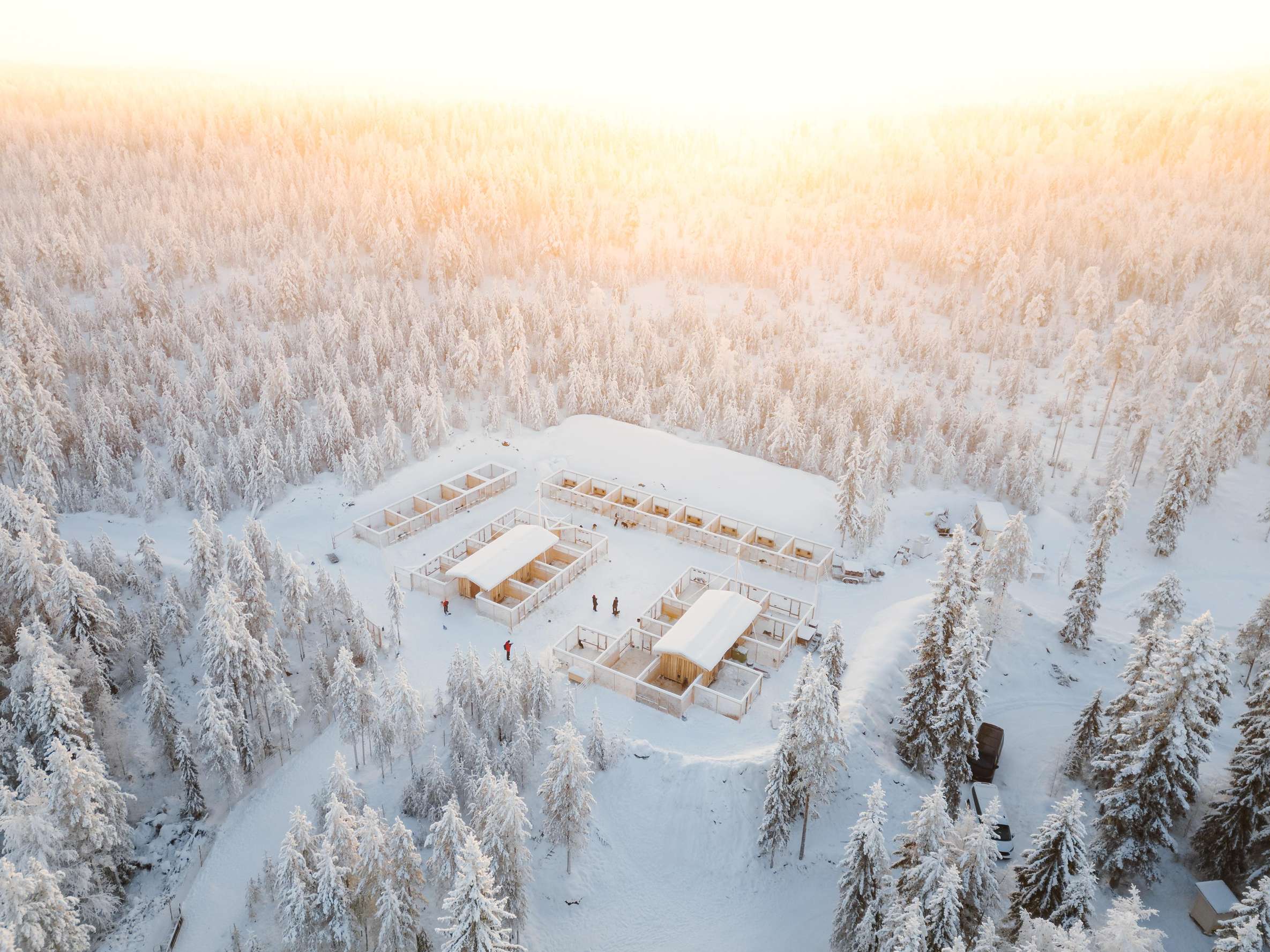
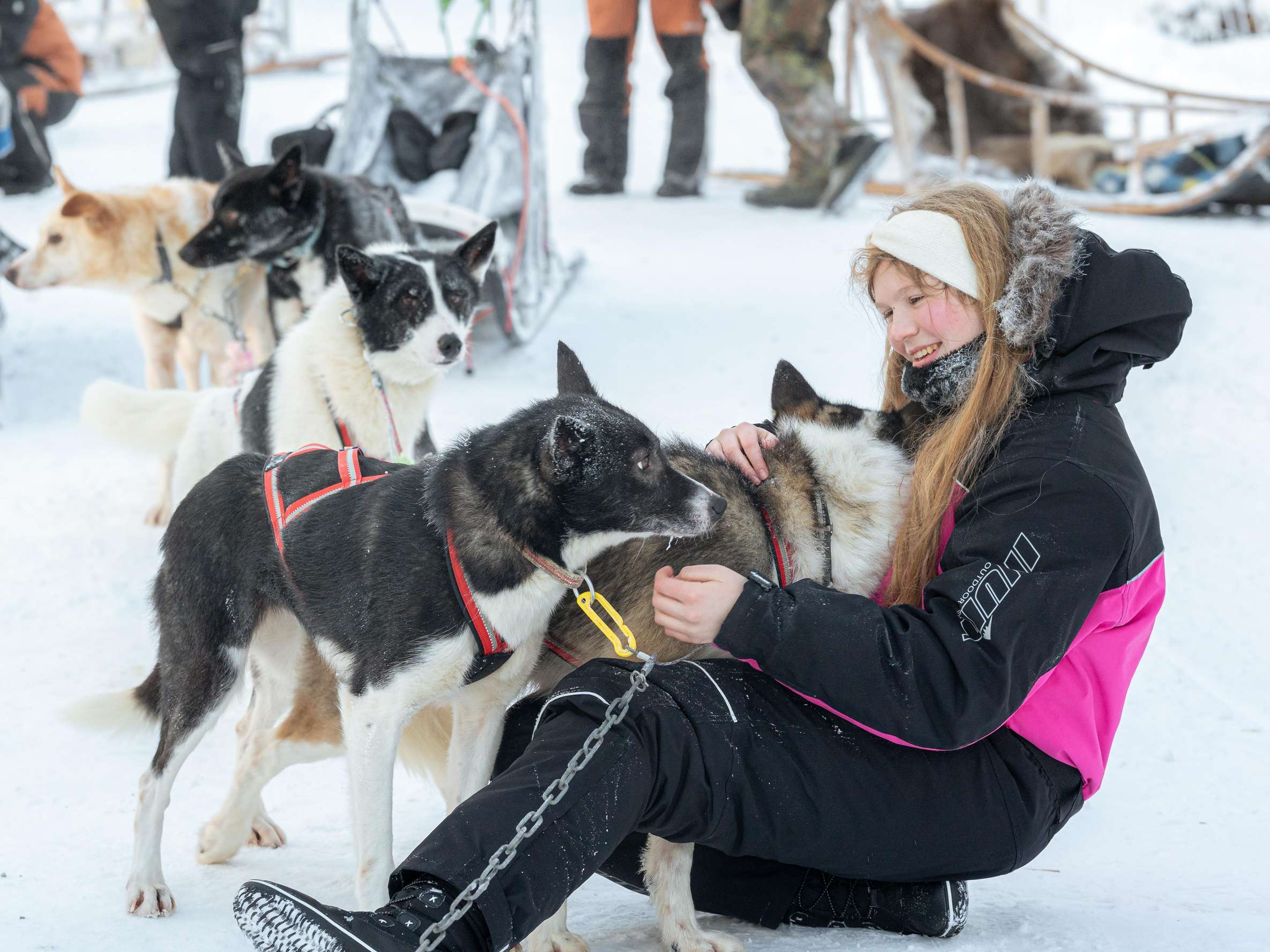
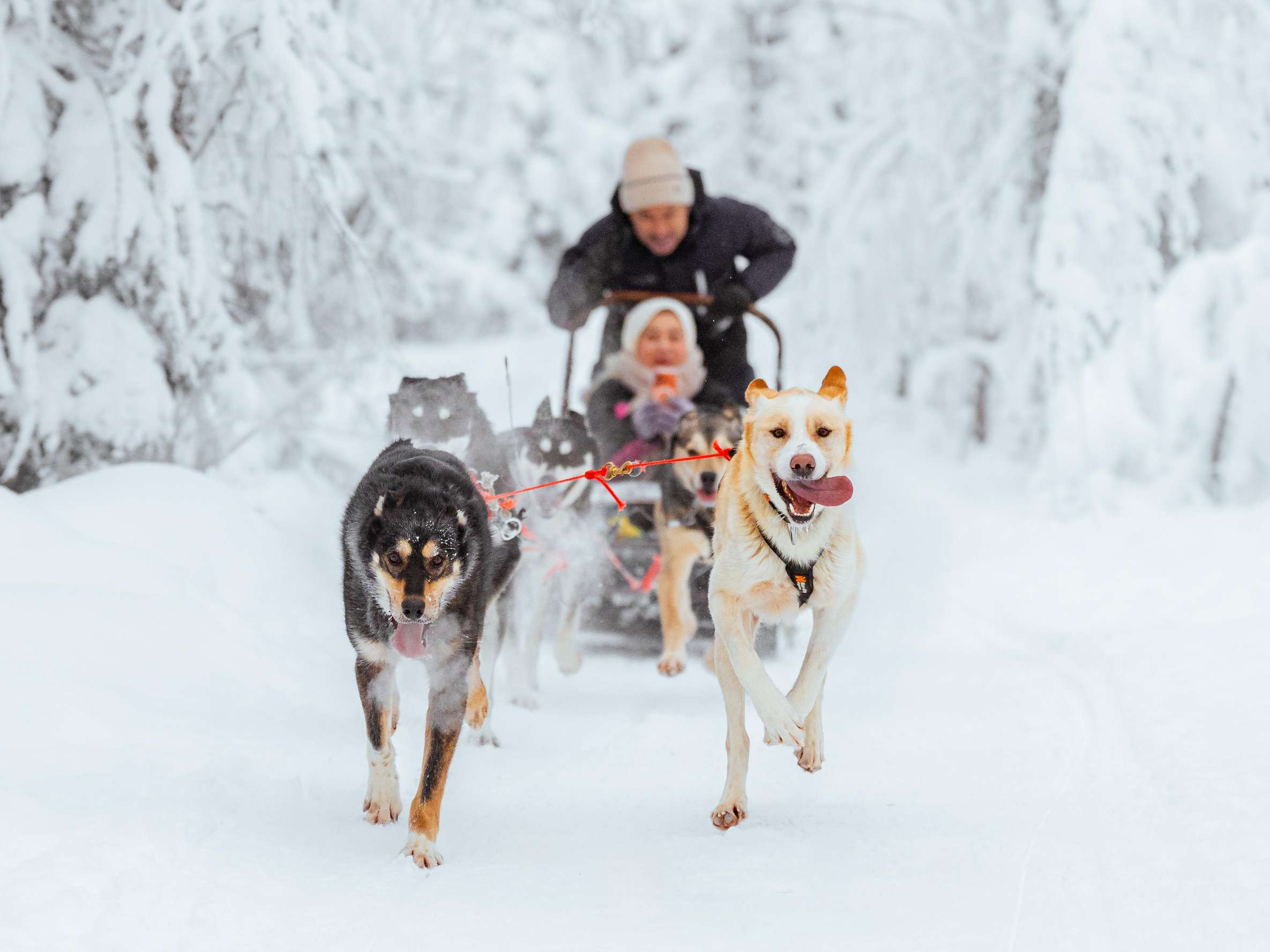
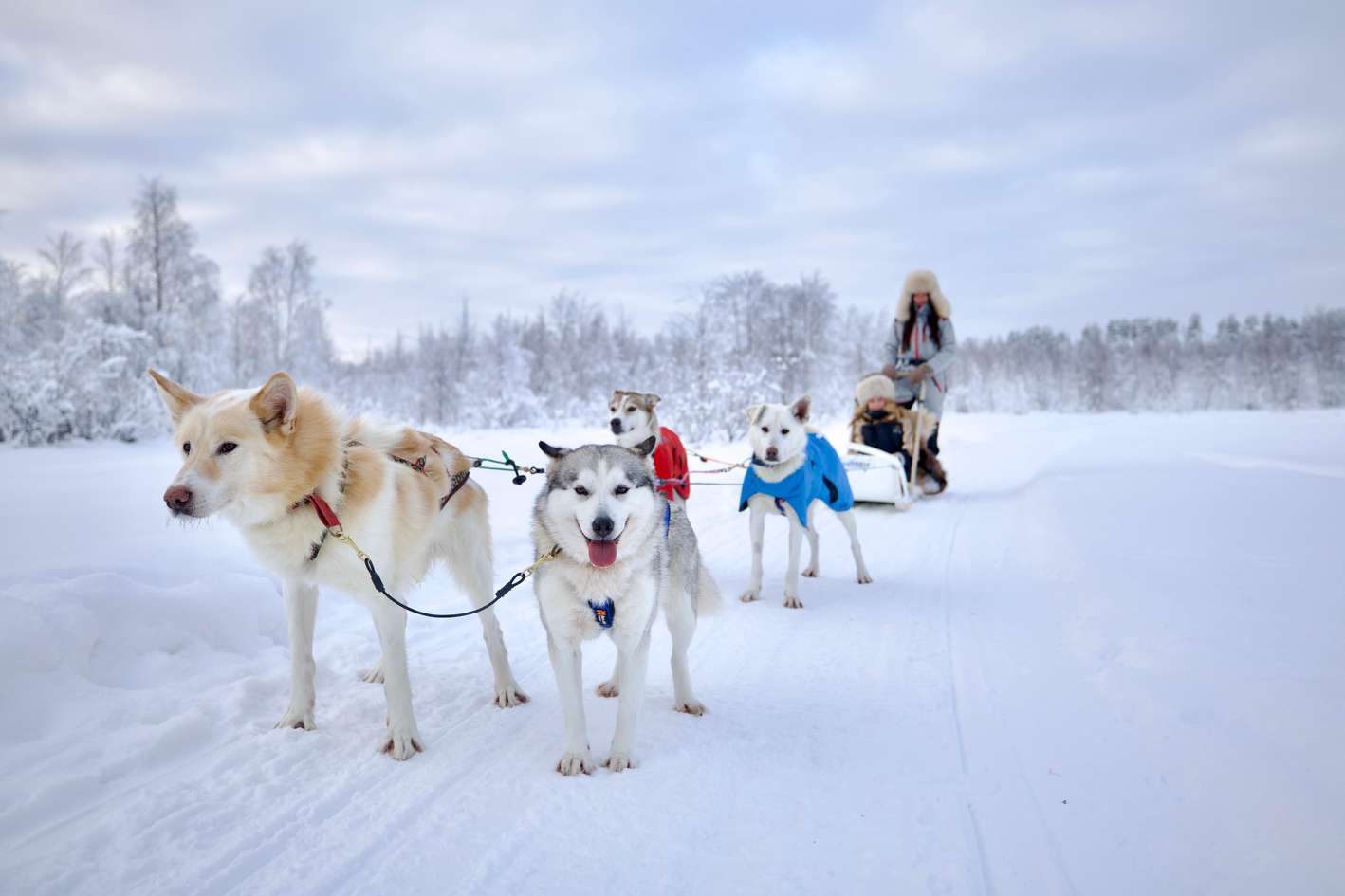
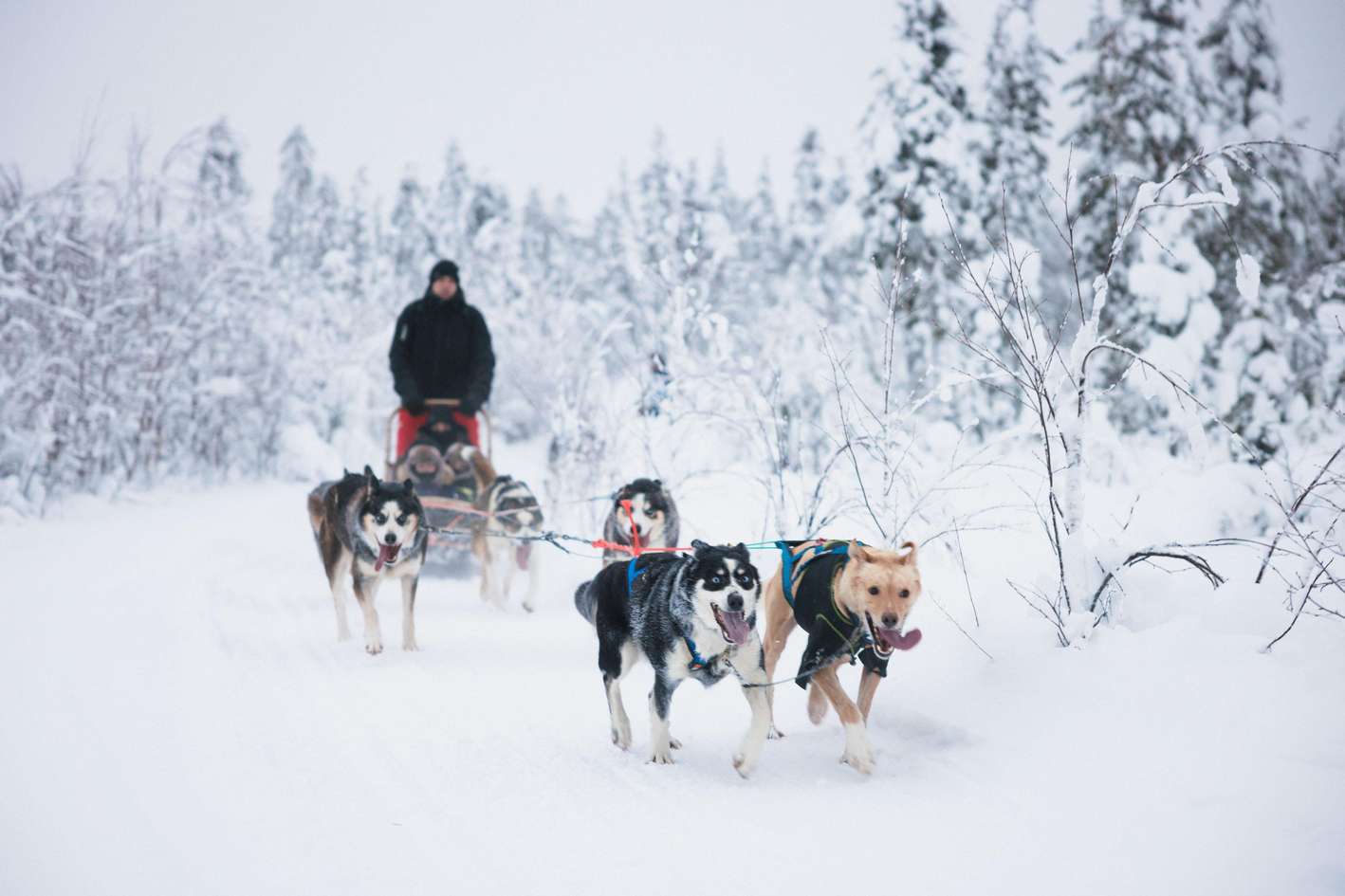
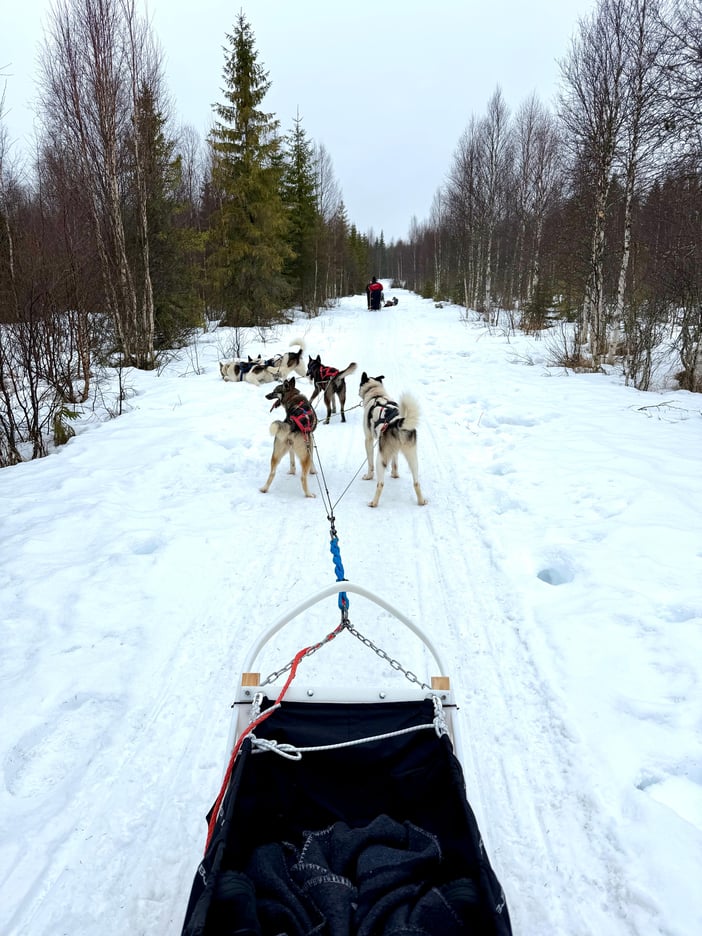
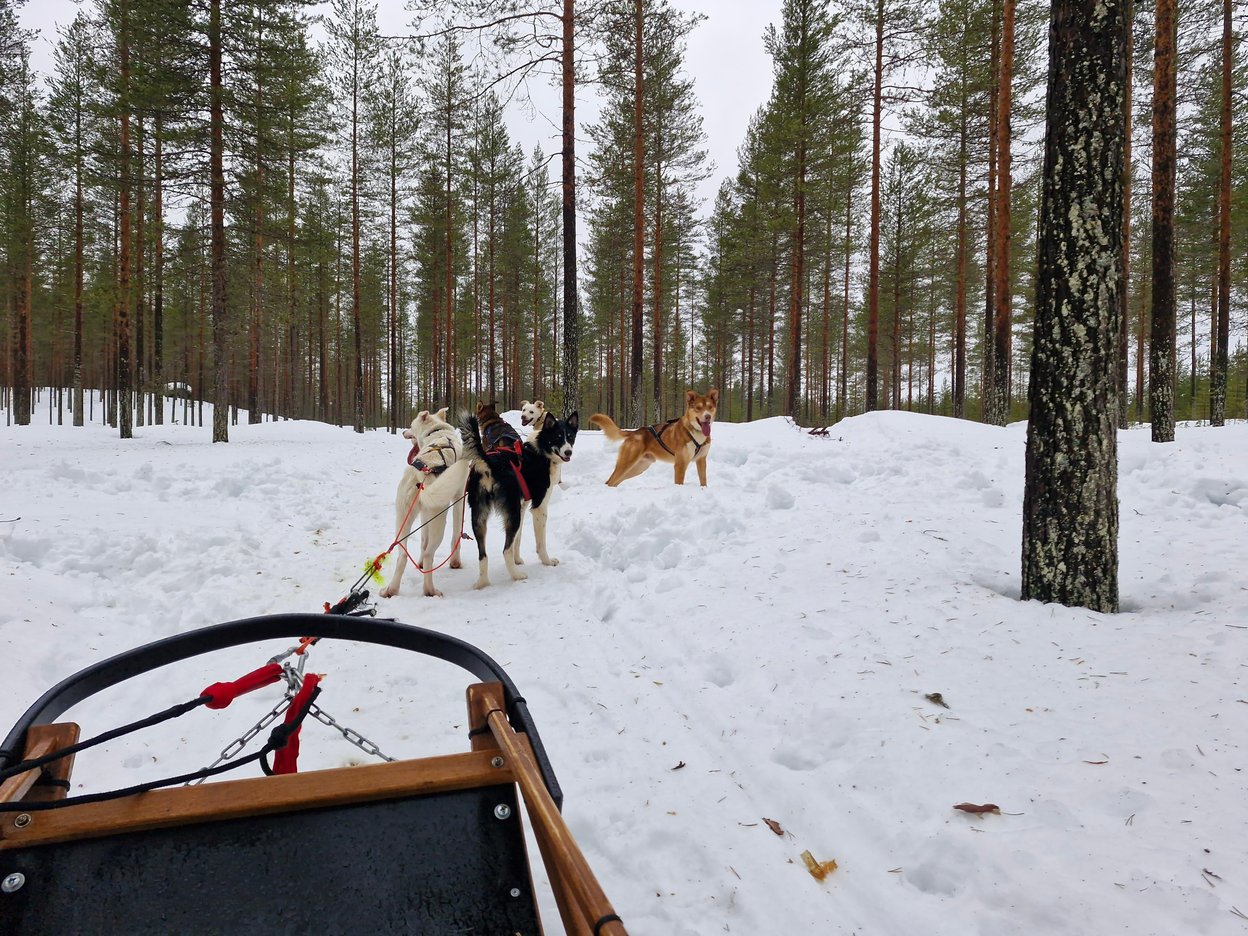
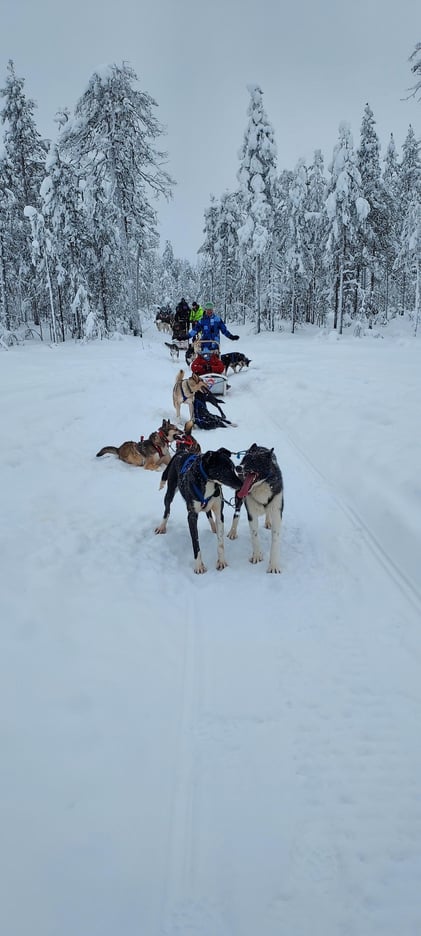
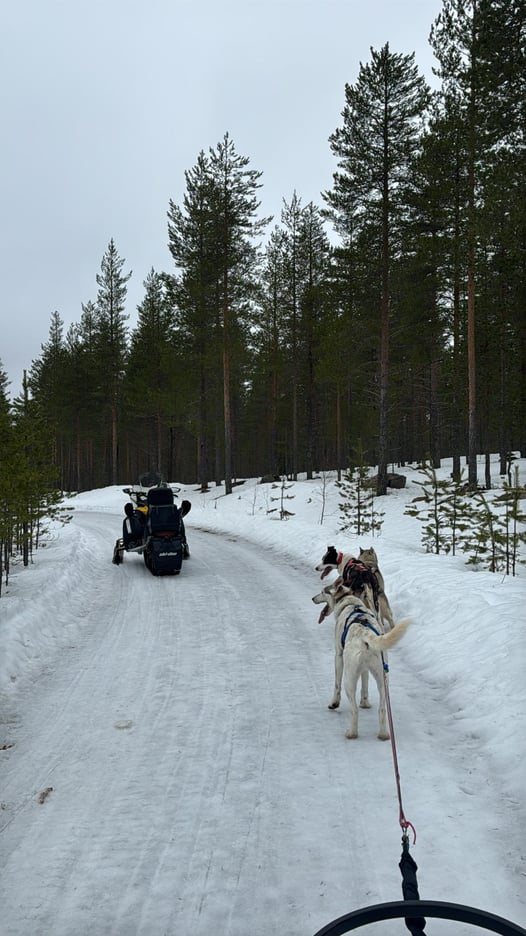
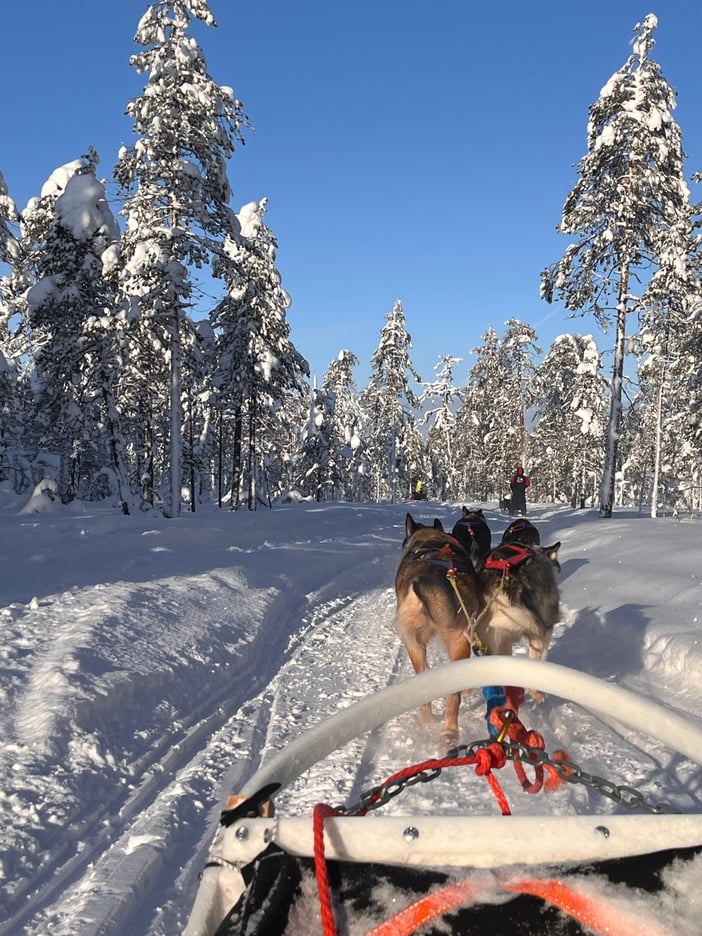
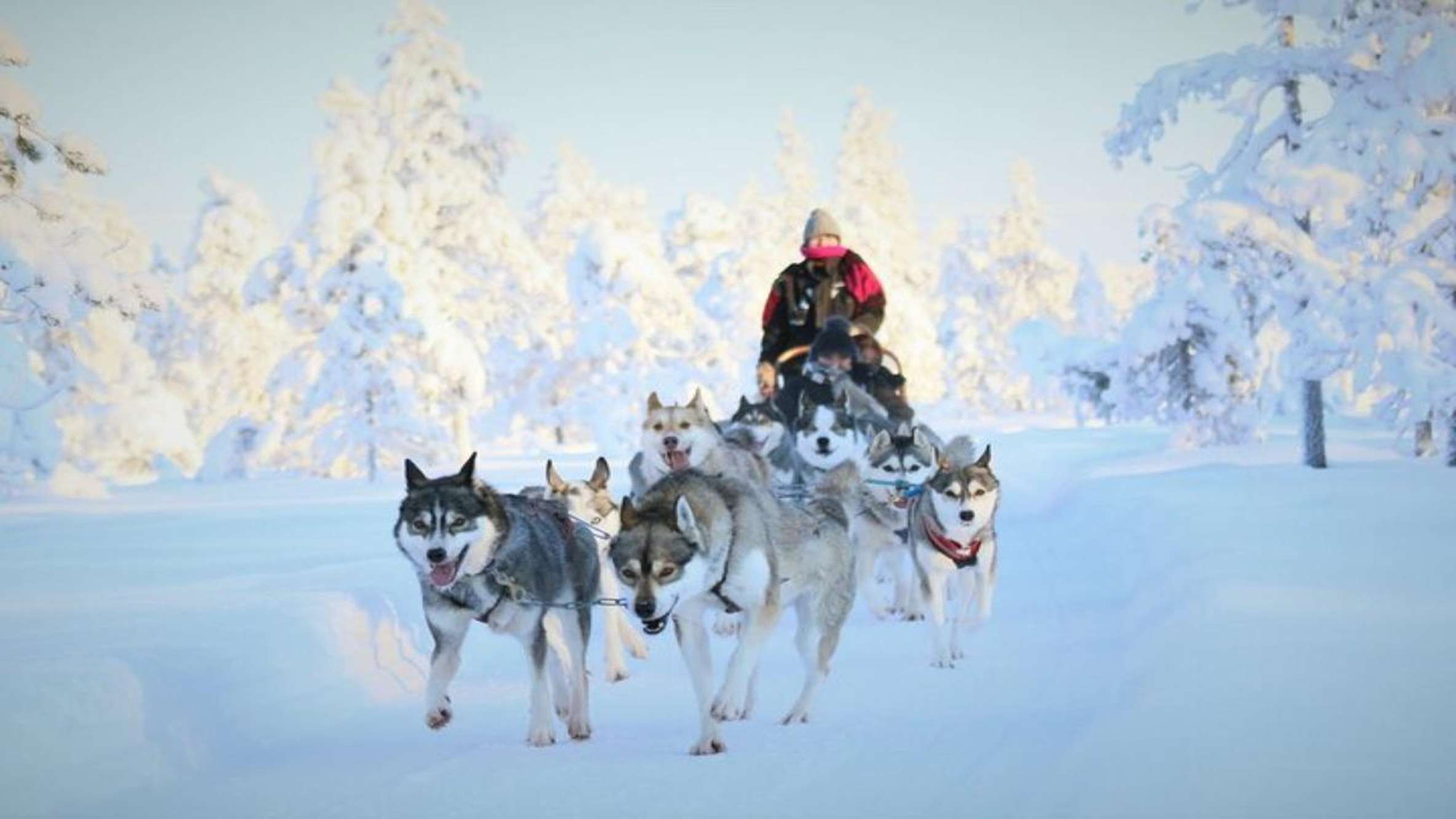
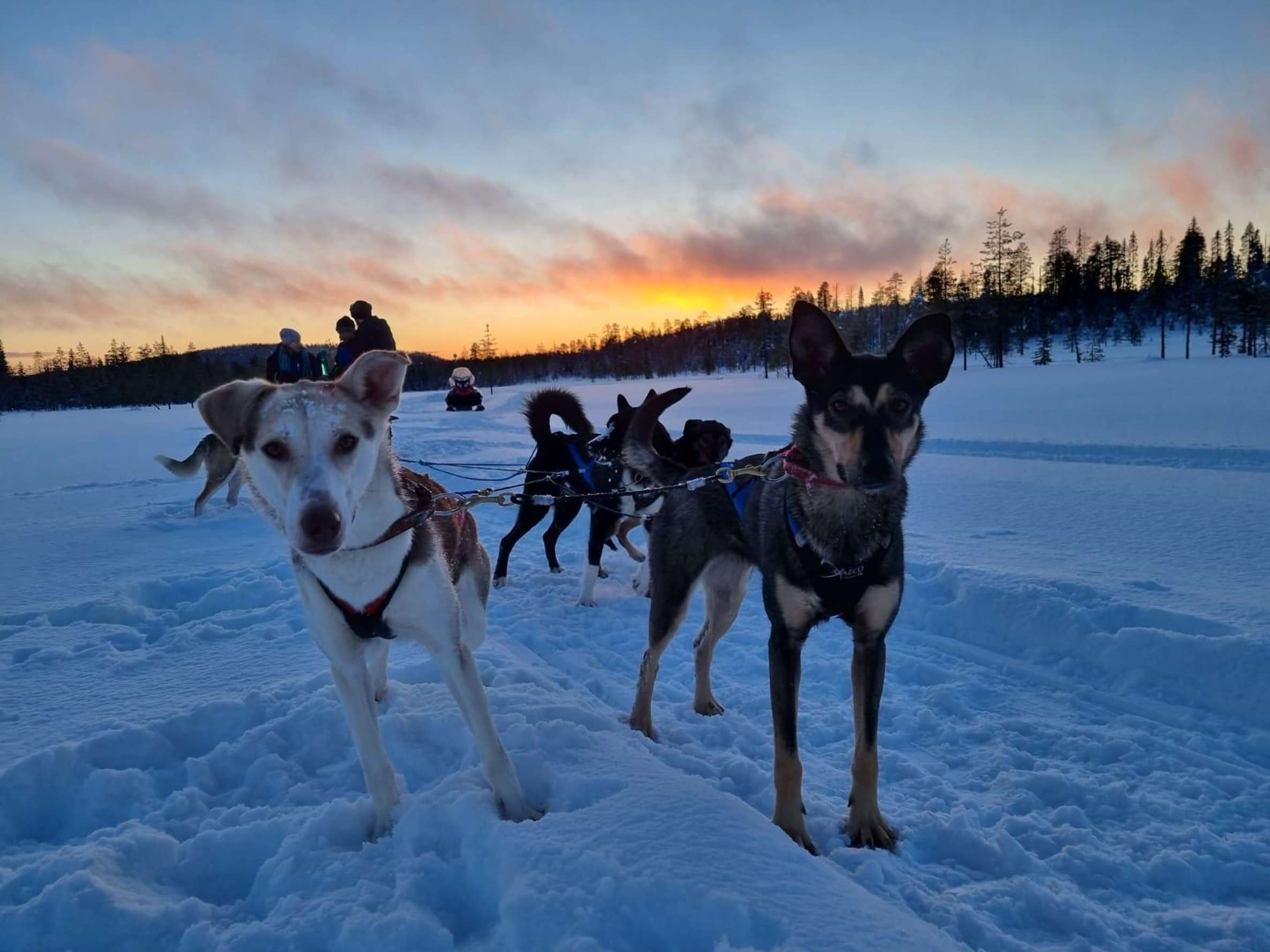
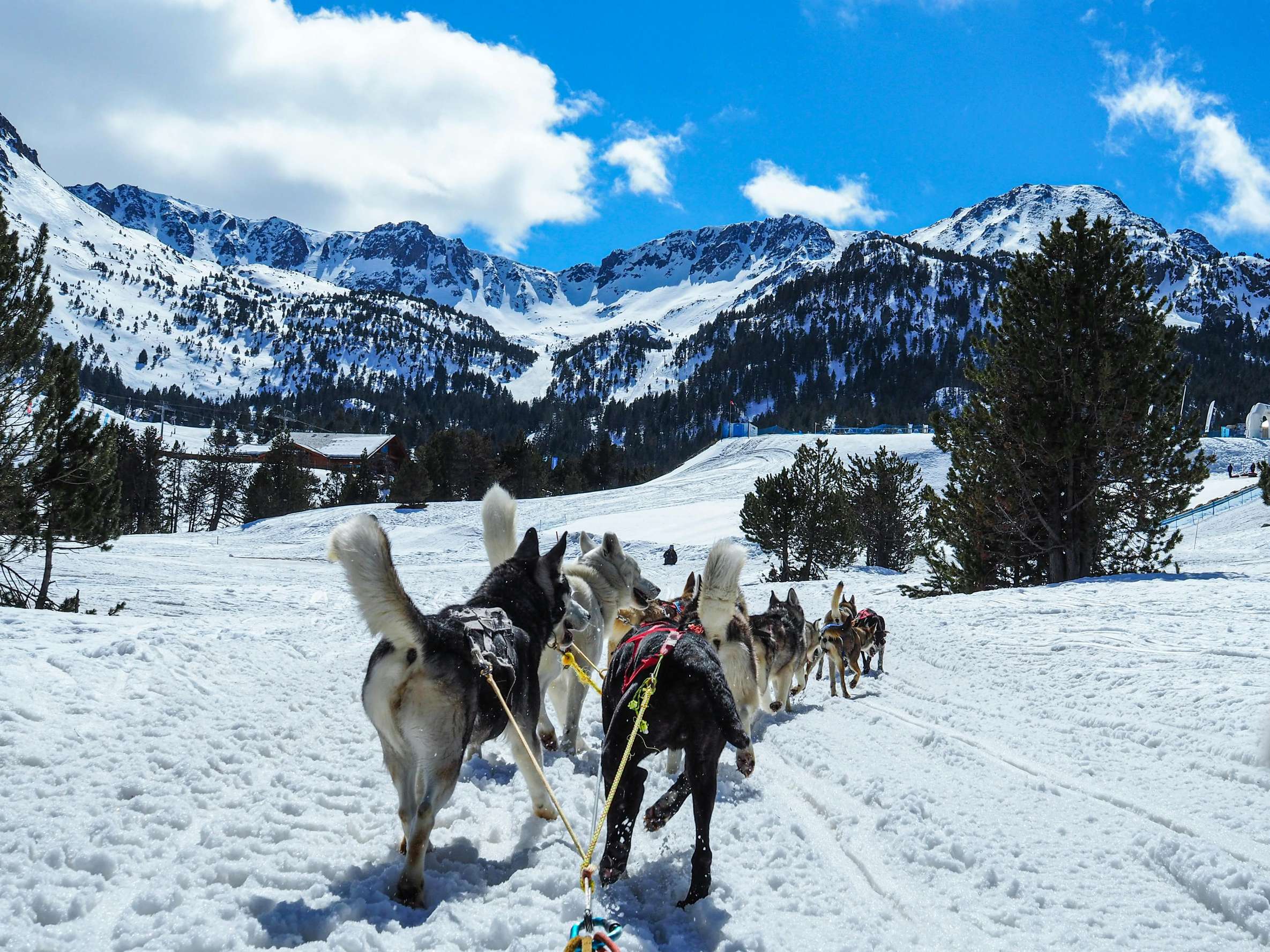
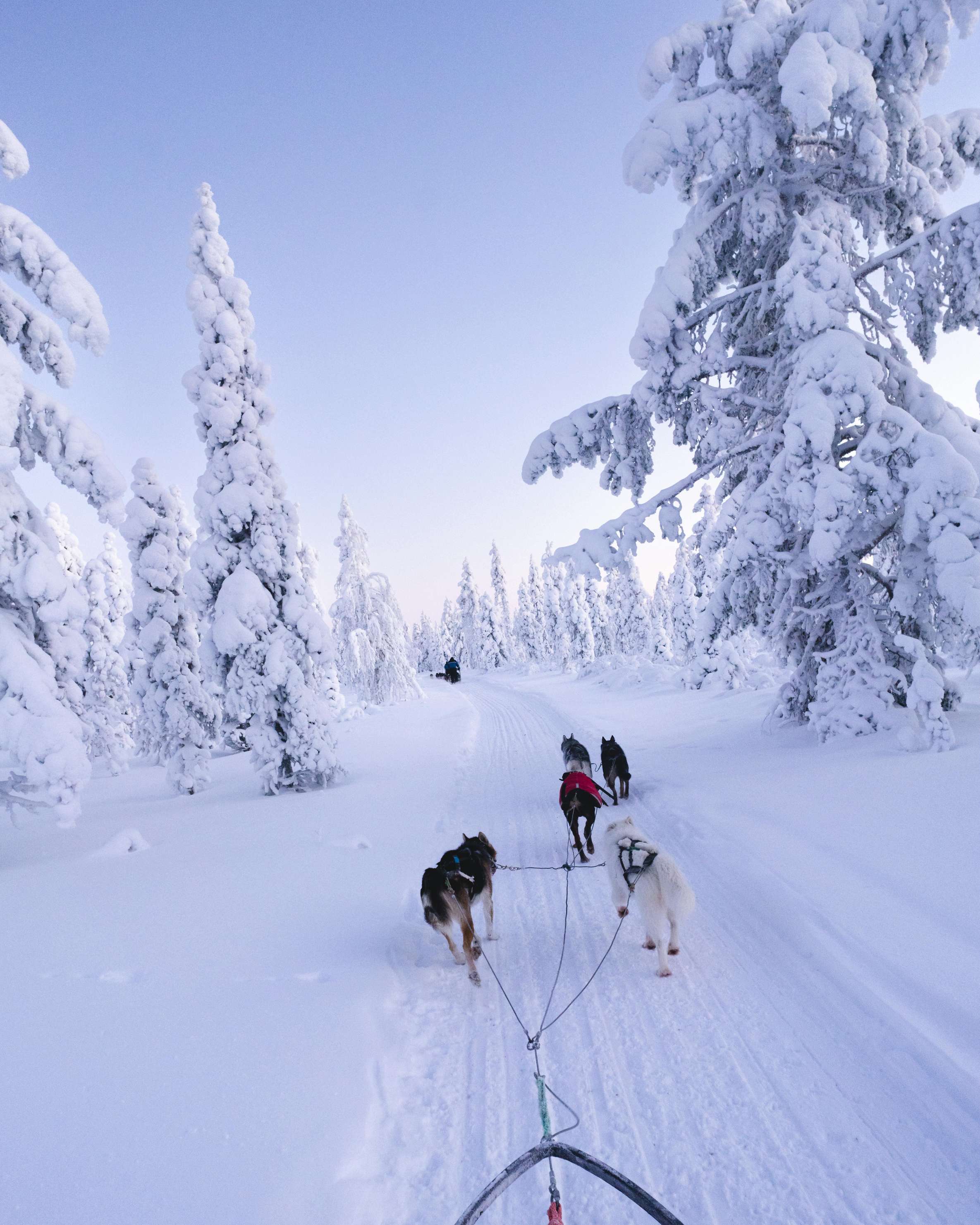
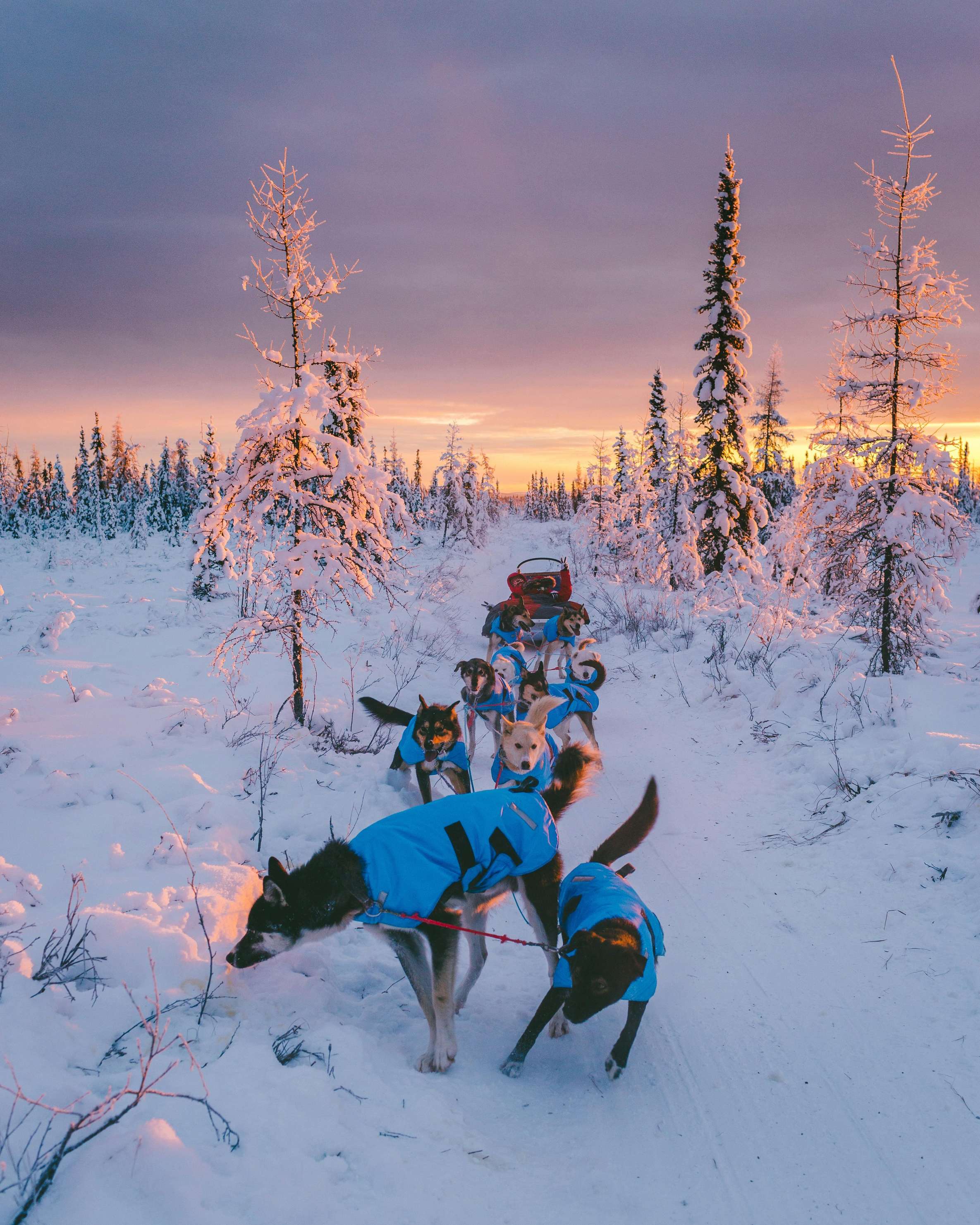
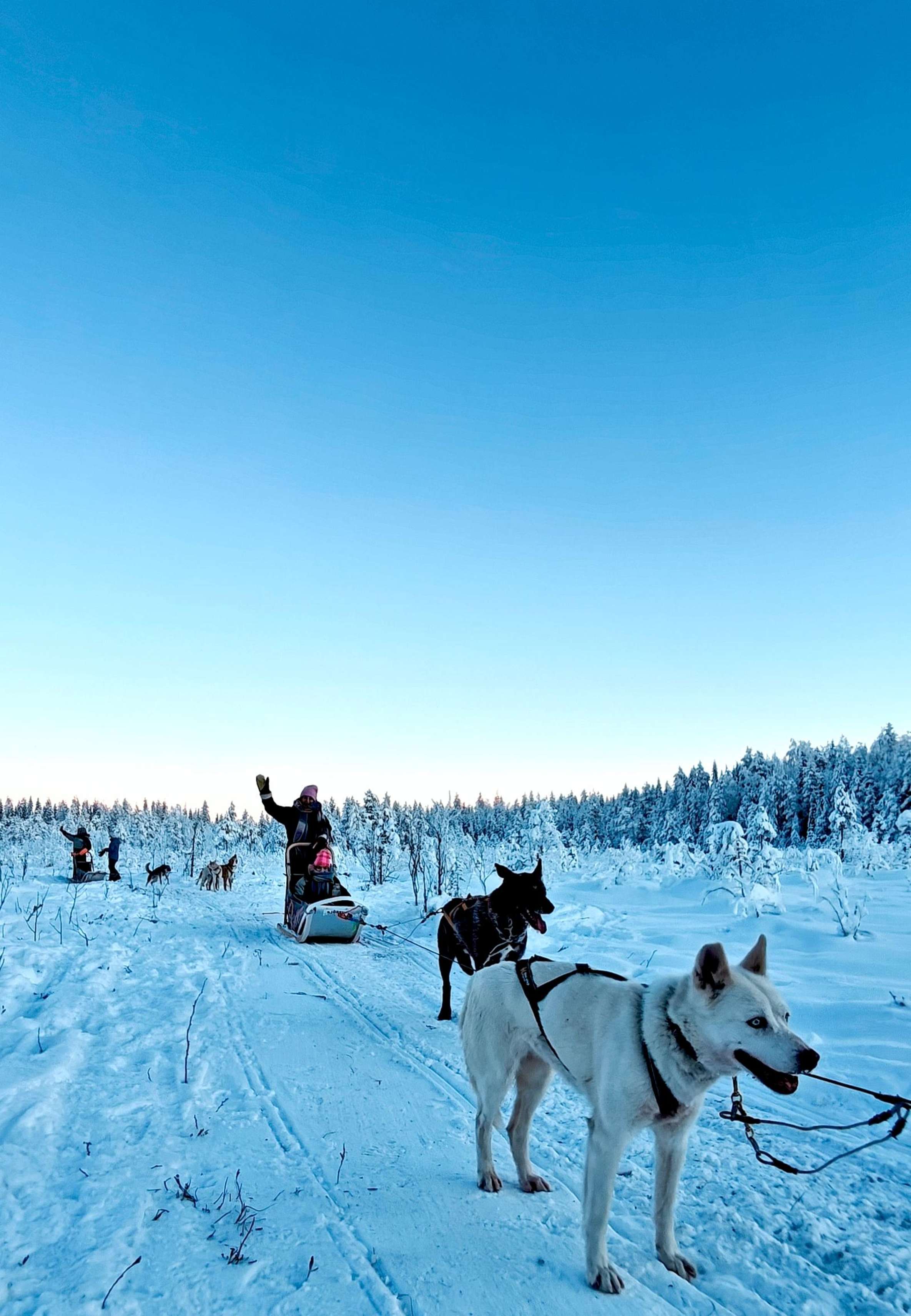
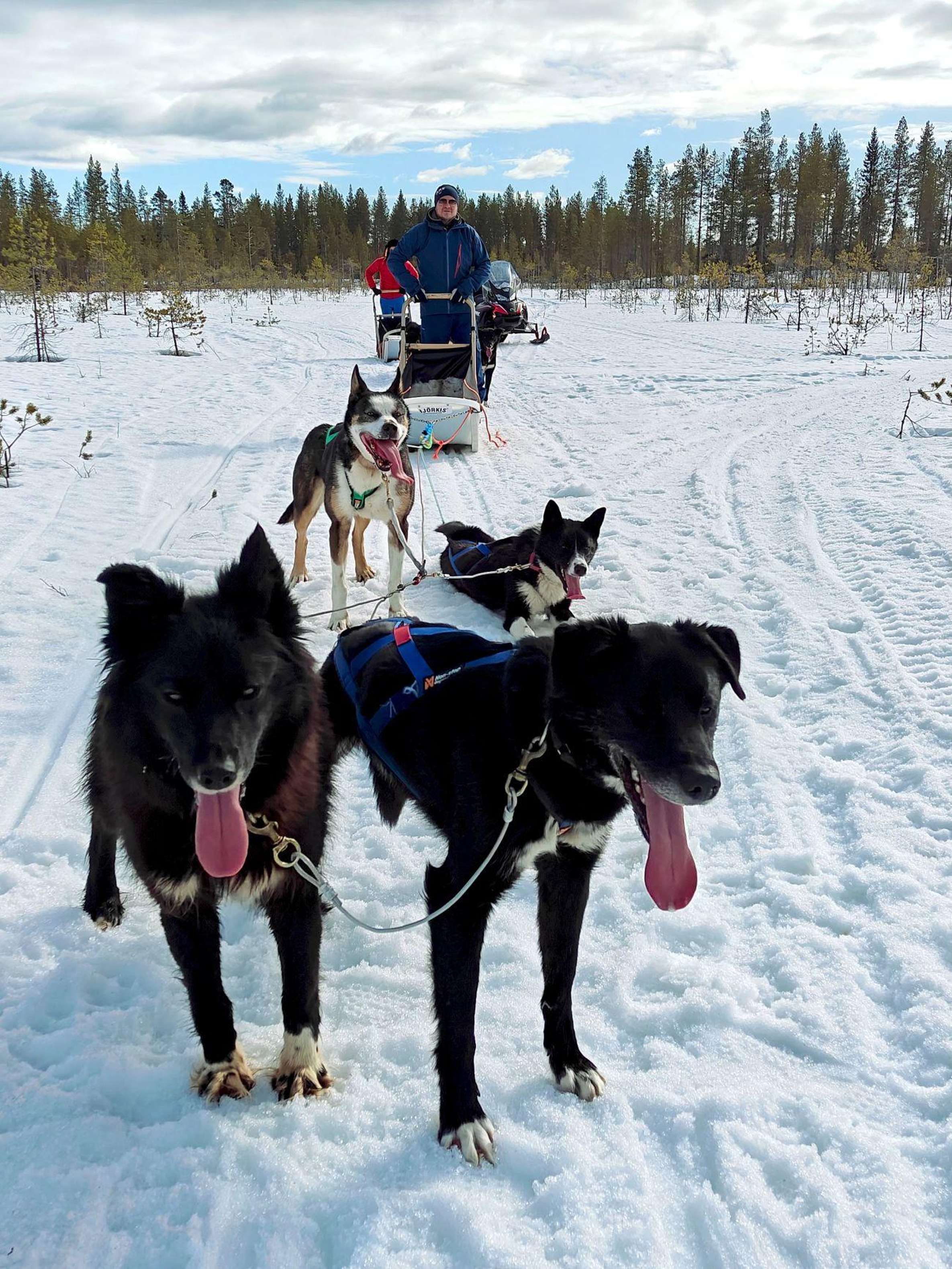
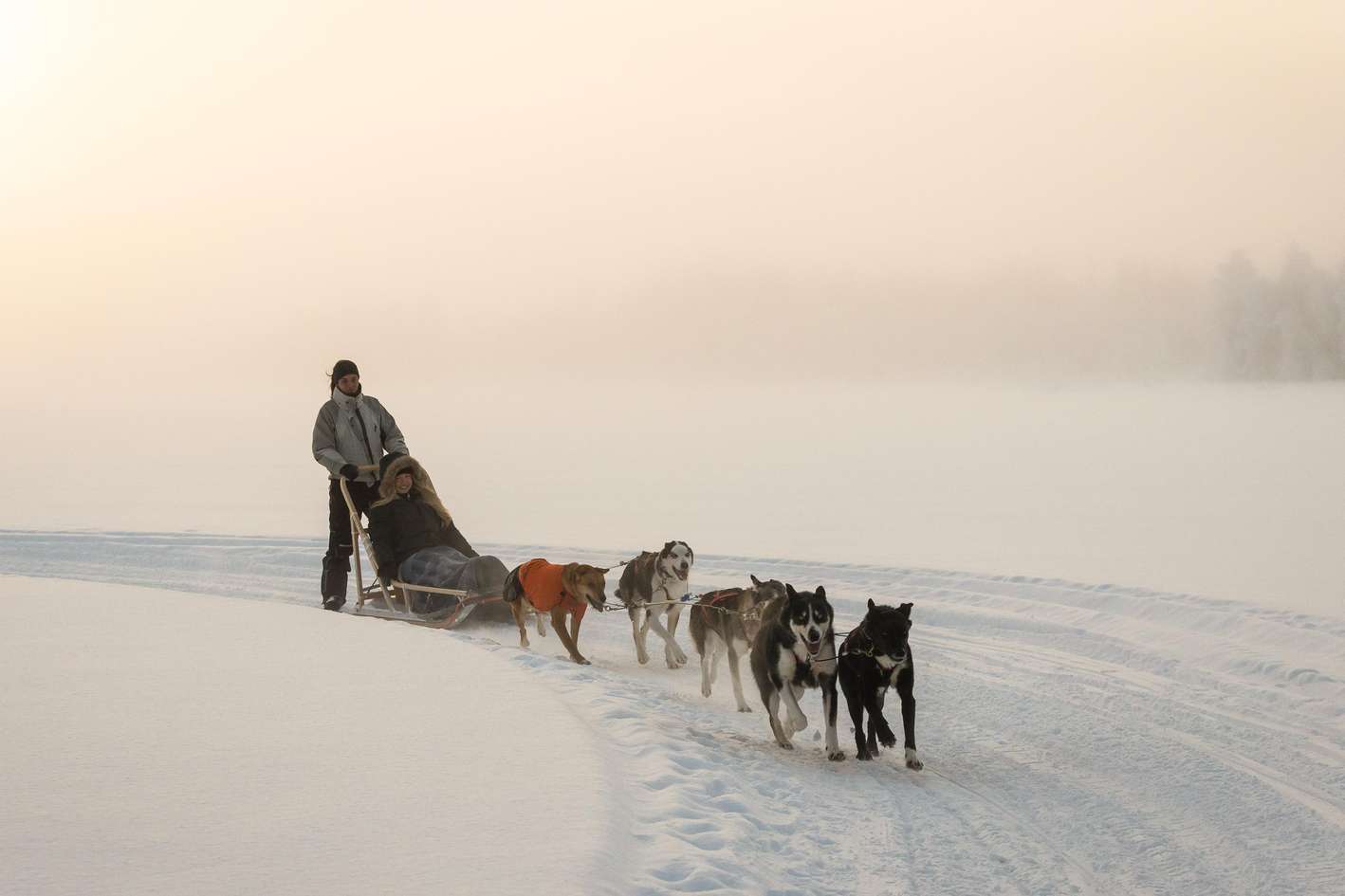
The dogs on these teams are Alaskan huskies, bred for distance, and they howl and leap in their harnesses until the brake comes off. The trail runs deep into quiet taiga, and on some routes it crosses wide frozen lakes.
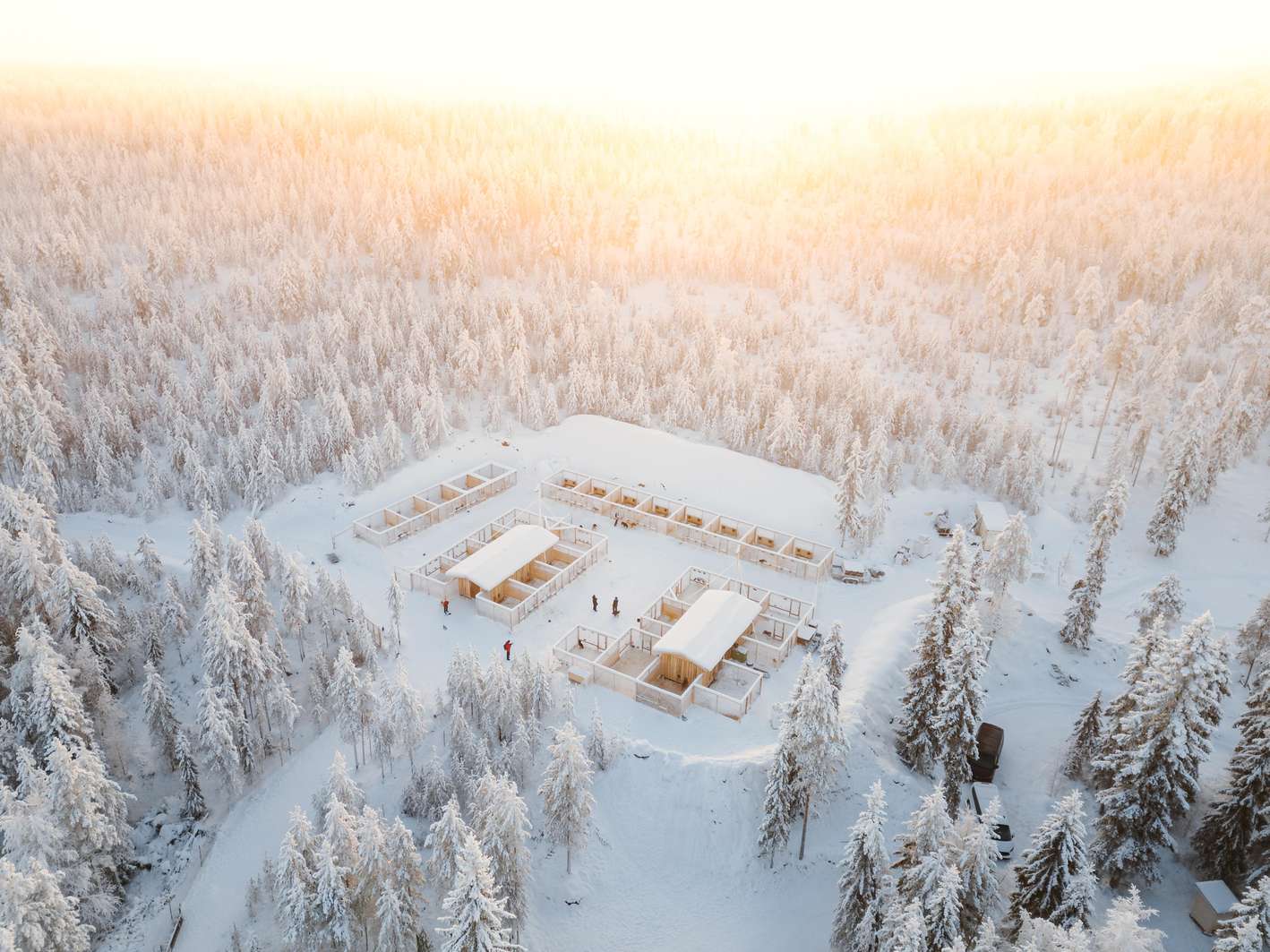
This tour runs 4 hours door to door. A van picks you up from town, a racing musher's farm hosts the ride, and thermal gear is included. The tour is not suitable for pregnant women or people with back problems, and the drive takes up to 45 minutes each way.
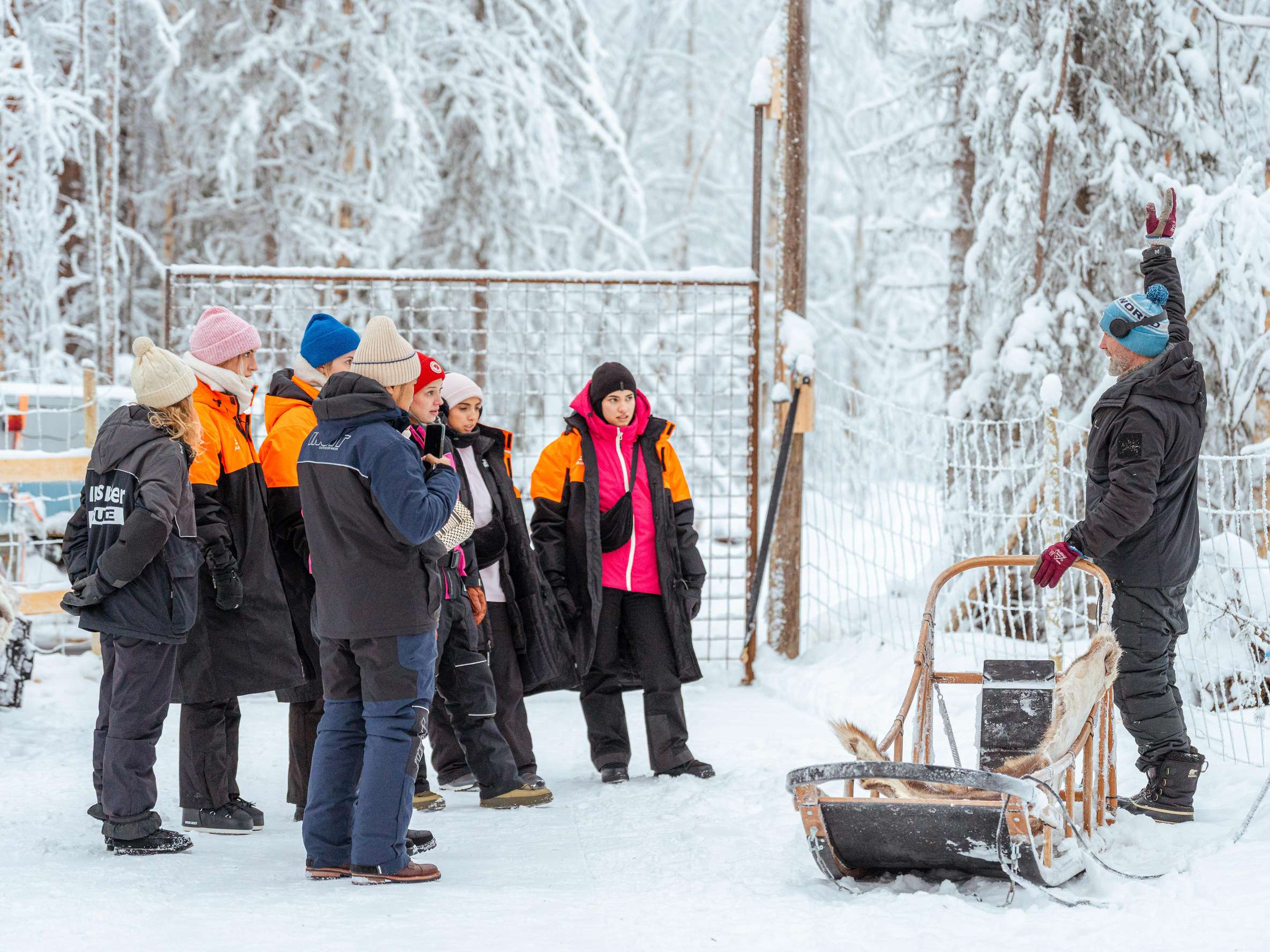
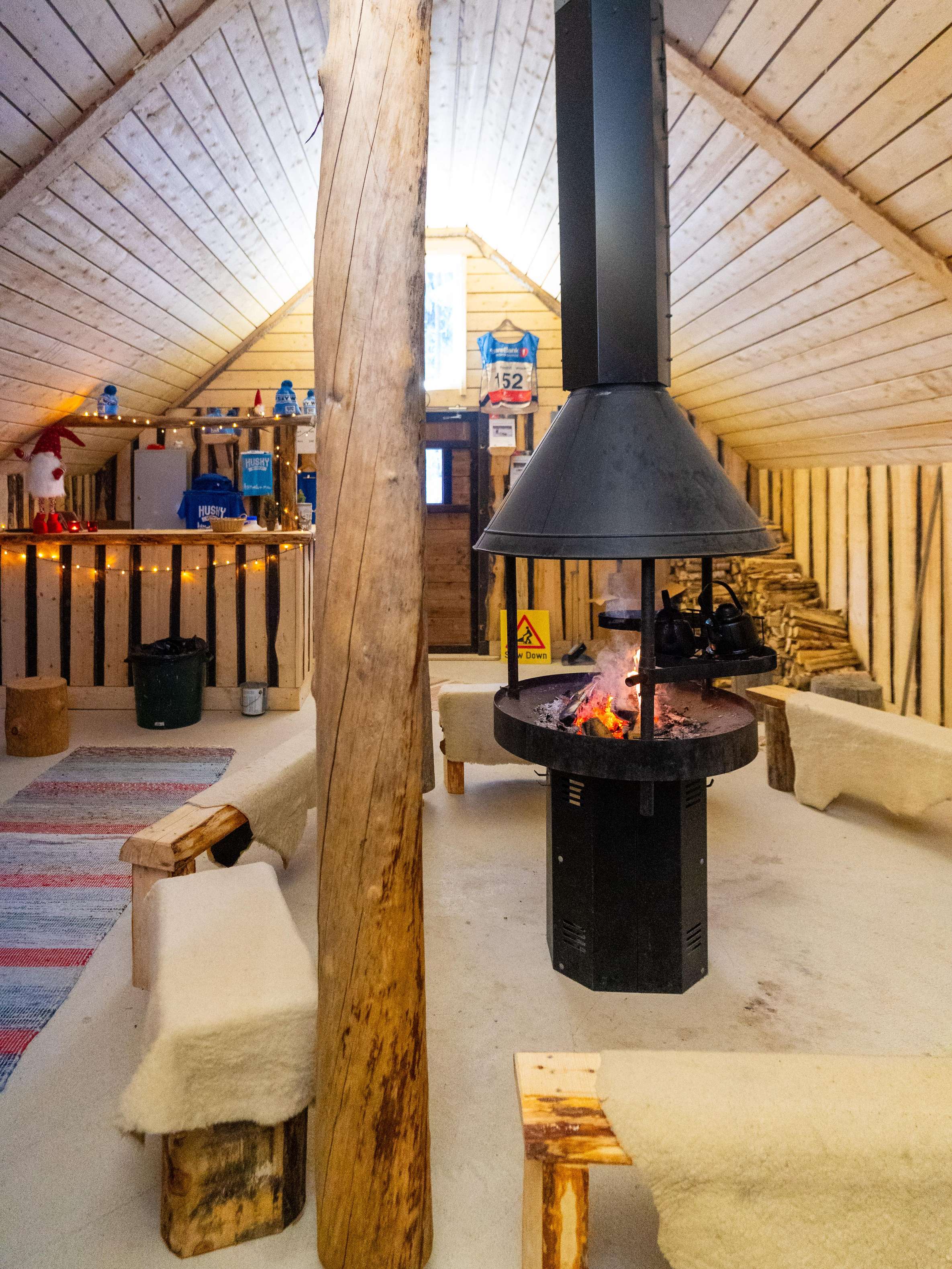
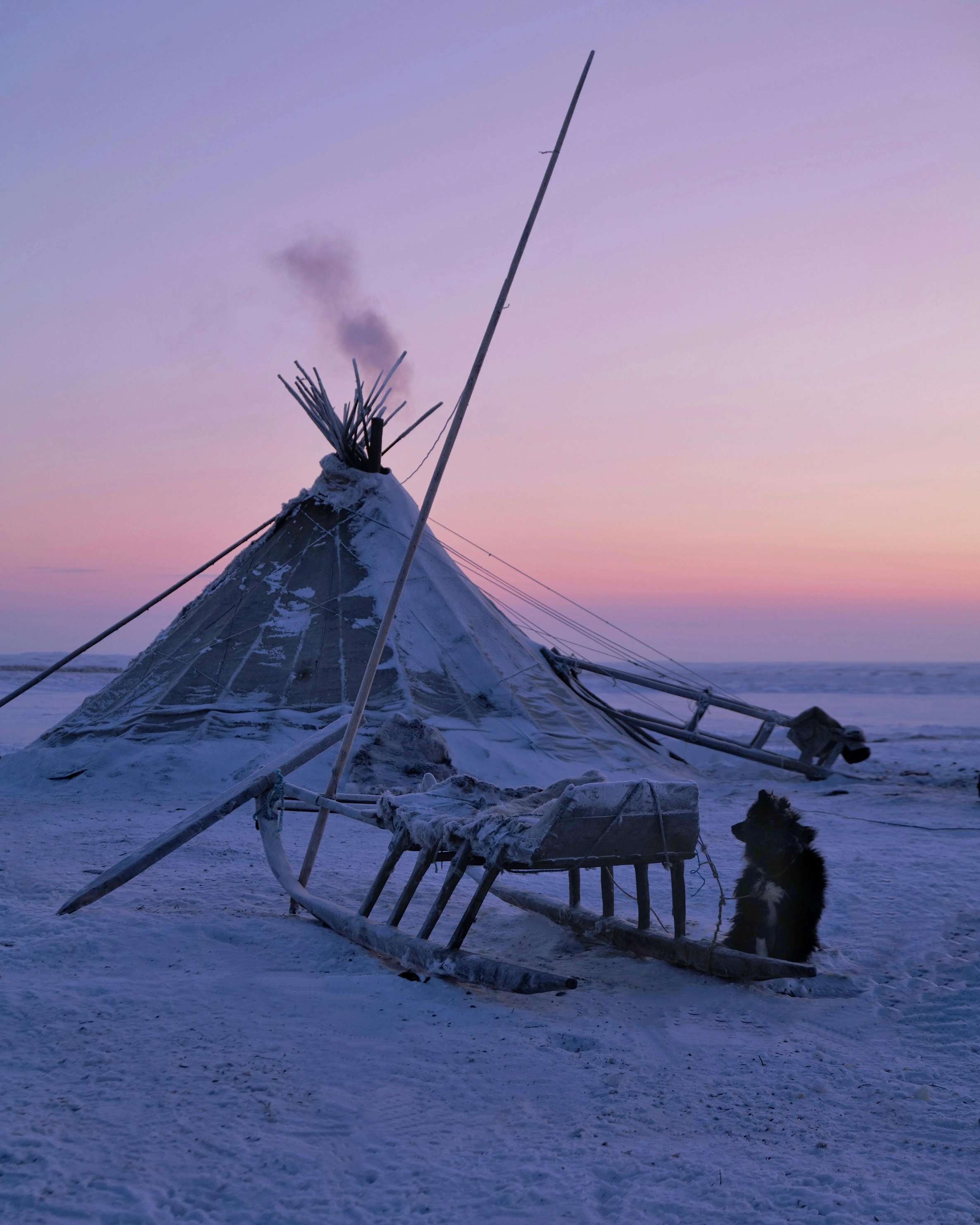
Stop 1Van pickup in Rovaniemi· about 45 minA brand new van collects you from town for a warm, comfortable ride out to the private husky farm.Stop 2Gear up and briefing· about 40 minYour guide fits you with thermal jacket, pants, boots and gloves, then runs through sled handling and commands before you meet the dogs.Stop 3Meet the huskies· about 25 minThe excited dogs leap and yelp in their harnesses while you learn about their care, training and personalities from the musher.Stop 4Drive the 10km trail· about 30 minYou drive your own team through private forest, with only the dogs' paws and sled sounds around you, and swap drivers halfway.Stop 5Kota fire and return· about 100 minWarm up inside a traditional kota with hot drinks and local snacks, then the van takes you back to Rovaniemi.
Included
Transportation in a brand new vanThermal winter gear (jacket, pants, boots, gloves)10 km husky sled ride with driver switchingHot drinks & local snacks in a traditional kotaTime to meet and photograph the huskiesExpert guidance from a professional musher
Not included
Alcohol beverages
Comparing 10km husky safari tours in Rovaniemi
Green marks the lowest price. Prices per person.
Tour
Price
Duration
Pickup
Languages
Best for
Our pick
Rovaniemi: Insider 10 km Husky Sled Ride
4.6★ (172)
from $251per person
4 hours
no
English
riders who want a full 10km run with transfers and kota snacks included
Choose your travel date first, then check the calendar for the 10km tours. Around Christmas, prime departures often fill six months ahead; February school holidays sell out four to five weeks to two or three months ahead.
Pro tipBook the moment your flights are fixed, not the week before; peak slots go first
Common mistakeLeaving booking to the day of arrival in Rovaniemi, when walk-in prices rarely drop
2. Compare the 10km options
Look at the distance options on each tour. Some safaris run 6 to 10 km depending on snow and the dogs' pace, while others fix the trail at 10 km. The Insider 10 km ride is a full 10 km with driver switching at the halfway point.
Pro tipCheck the minimum distances; a 6 to 10 km tour may run shorter than the label
RecommendedA fixed 10km tour gives you the trail time you came for
3. Choose your option and pay
Select your date and the option that matches your group, then pay through the booking page. Confirmation arrives by email, and the tour operator sends any updates by message, so keep the email address you book with.
ImportantMost tours on this page let you cancel up to 24 hours in advance for a full refund
Pro tipNote the operator's minimum group numbers; some weekdays need two guests and Sundays four
4. Sort out your pickup
Most 10km safaris include transfer from central Rovaniemi, collecting guests from downtown hotels like Santa's Hotel Santa Claus and Scandic Rovaniemi, or safari offices on Maakuntakatu and Korkalonkatu. One 10km tour runs from a central office instead. Skip the rental car; the drive out is 30 to 60 minutes on snowy roads.
Common mistakeDriving yourself to a remote kennel, which is not advised and earns no discount
ImportantArrive ten minutes before your pickup time; one tour operator cannot refund late arrivals
5. Dress for the day
On the day, you get fitted for thermal overalls, boots and gloves at pickup or the office before the 30 to 60 minute drive out. Wear your own warm layers underneath, plus a hat and socks. Pick a departure between 10:30 am and 2 pm in the polar night for the best light.
RecommendedBring a camera and keep your phone in an inside chest pocket between photos
Common mistakeWearing thin shoes; the tour provides boots, but your feet need wool socks underneath
What to know before you book a 10km husky safari
Can stop the dayGood to knowGood news
01
ChoosingWhat it is, who it suits, when to go
3
Sharing sleds
Two adults usually share each self-drive sled and swap halfway through, so each person gets roughly 15 to 25 minutes on the runners during a 10km run. Couples alternate between driving and sitting in the passenger seat. Solo travelers often get a pleasant surprise: a whole sled of their own.
Fitness
Driving a 10km sled is easy on flat terrain but demanding on climbs, where you may step off and push the sled uphill. A basic fitness level, like walking briskly uphill, is enough. Standing on the runners for 15 to 25 minutes is tiring for the legs, so you need good balance and a firm grip.
Timing
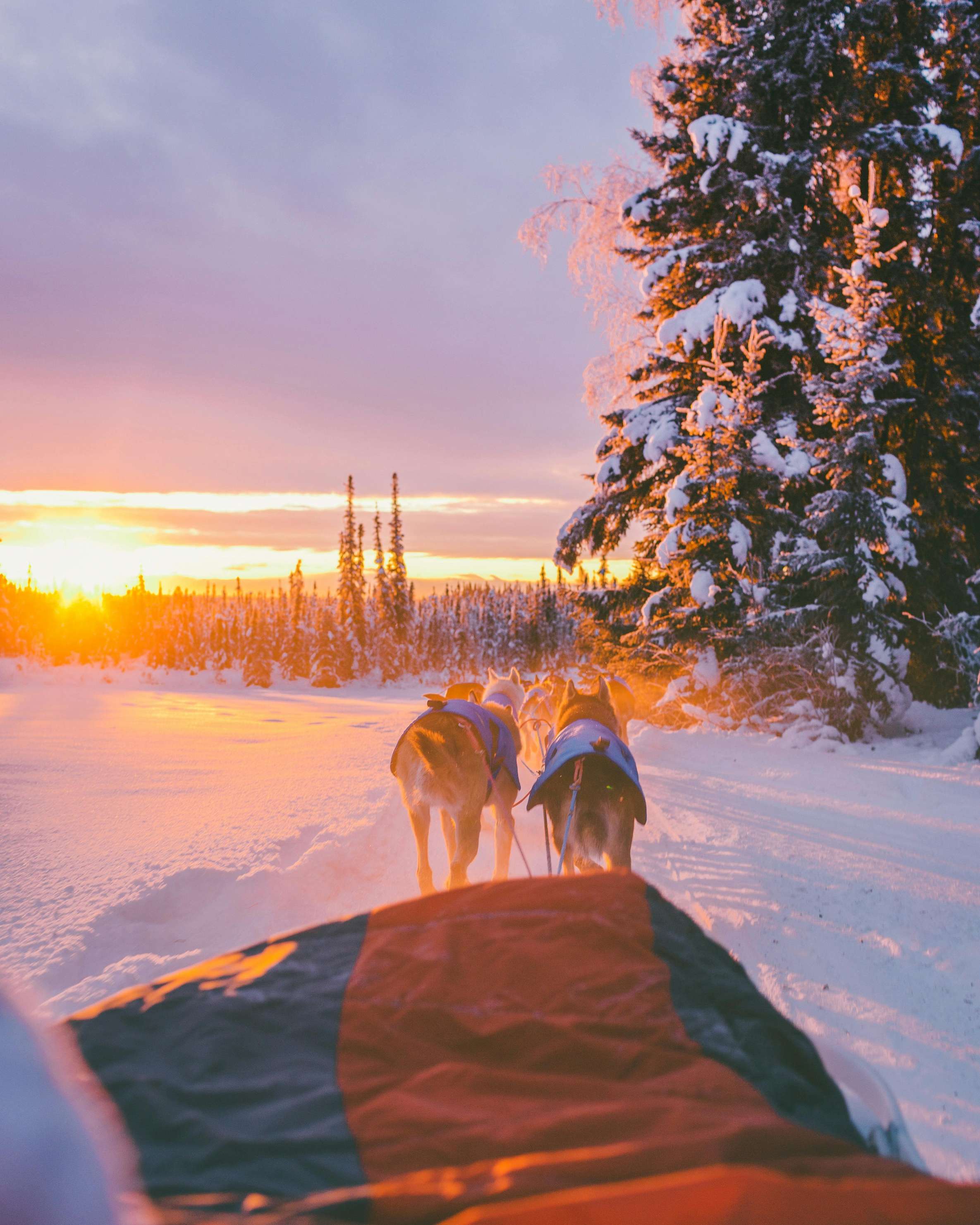
During the Polar Night in December and January, the best trail lighting comes midday, between 10:30 am and 2 pm, when blue twilight reflects off the snow. Morning departures before 11 am start in the dark, and afternoon tours after 2 pm finish under headlamps. A 10km run itself takes 25 to 50 minutes on the snow.
02
BookingHow far ahead, and what happens if plans change
1
Cancellation
Plans change, and these safaris handle it well. Cancel up to 24 hours before your departure for a full refund. If the trail or weather forces a major change, operators may shorten the run or switch to guide-driven sleds and offer an alternative or a refund.
03
Before you goPapers, health, what to bring
5
Clothing
Most tours fit you with an insulated one-piece thermal overall, winter boots, mittens, and gloves before departure. One operator charges extra for the overall and boots, and another rents outer clothing separately, so the winter gear is not always included. Underneath, wear your own non-cotton layers: a merino or synthetic base layer and a fleece or wool sweater.
Age limitsCan stop the day
Rules vary by operator. One tour with transfers allows only adults 18 and older at the handlebar and accepts no children under 4. On other self-drive tours, children under 16 must ride in a sled driven by a parent, and drivers on some tours must weigh more than 50 kg. Very young children can ride as passengers, but the family kennel safari sets a minimum age of 5.
Health
Every safari on these pages is unsuitable for pregnant women and for people with back problems, because of the bumps, vibrations, and sudden movements on the trail. Operators also hold the right to restrict or stop a customer's participation if safety cannot be guaranteed. If you have a heart condition or a physical injury, pick a passenger ride instead.
Brake
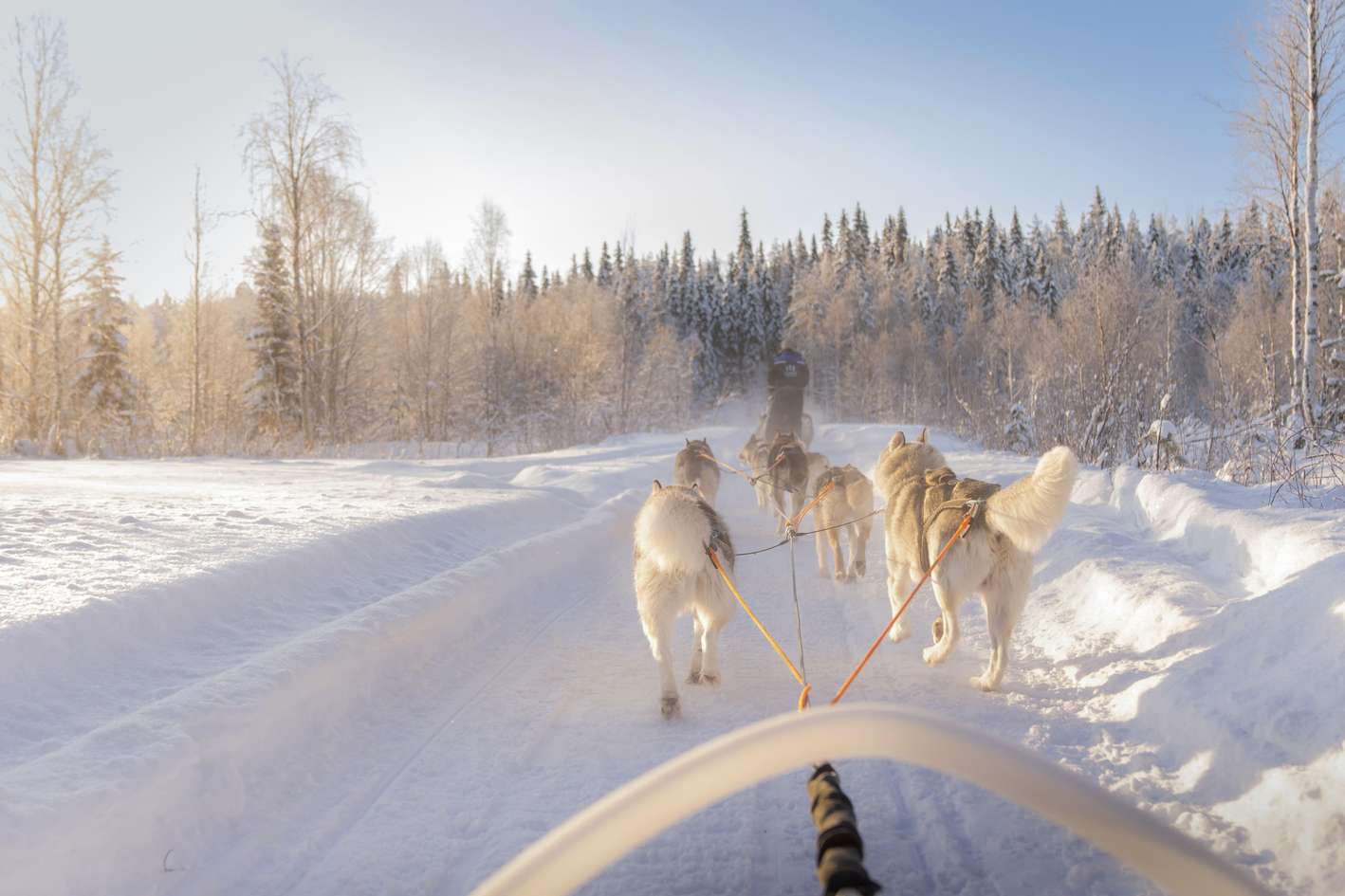
The sled has a foot brake on the back, a U-shaped bar with metal claws that dig into the snow when you step on it. That is how you slow down on hills and keep your distance from the sled ahead. A 10km trail gives you time to get comfortable with the brake before the trail turns fast.
Warm food
Every safari ends around a fire or inside a traditional kota with hot drinks, sweet snacks or cookies, and sometimes grilled sausages. One tour adds hot blueberry juice and Finnish gingerbread cookies, and another tops it with a BBQ. No one is left standing in the cold after the trail.
04
On the dayWhere to be, when, and how you get there
1
Pickup
Several of these safaris include pickup from central Rovaniemi hotels or safari offices, and the drive out to a wilderness kennel takes 30 to 60 minutes. Some tours leave from the city center, so you arrive by yourself or meet a fixed point. The kennels sit on snowy forest roads that rental cars struggle with, so the operator's transfer is the sensible choice.
05
During the tourWhat is expected of you
2
Dogs
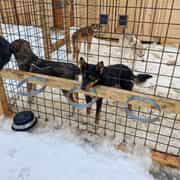
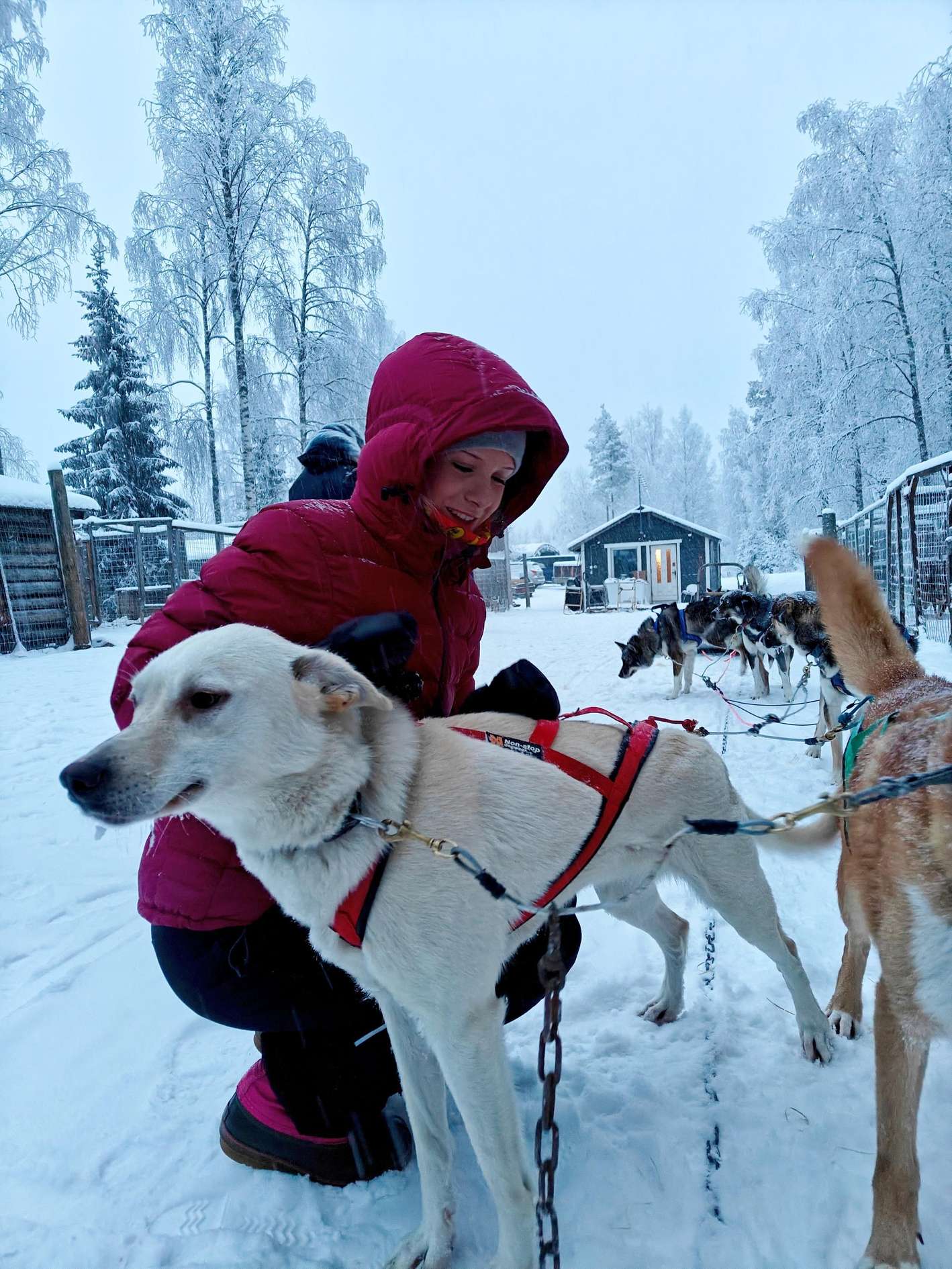
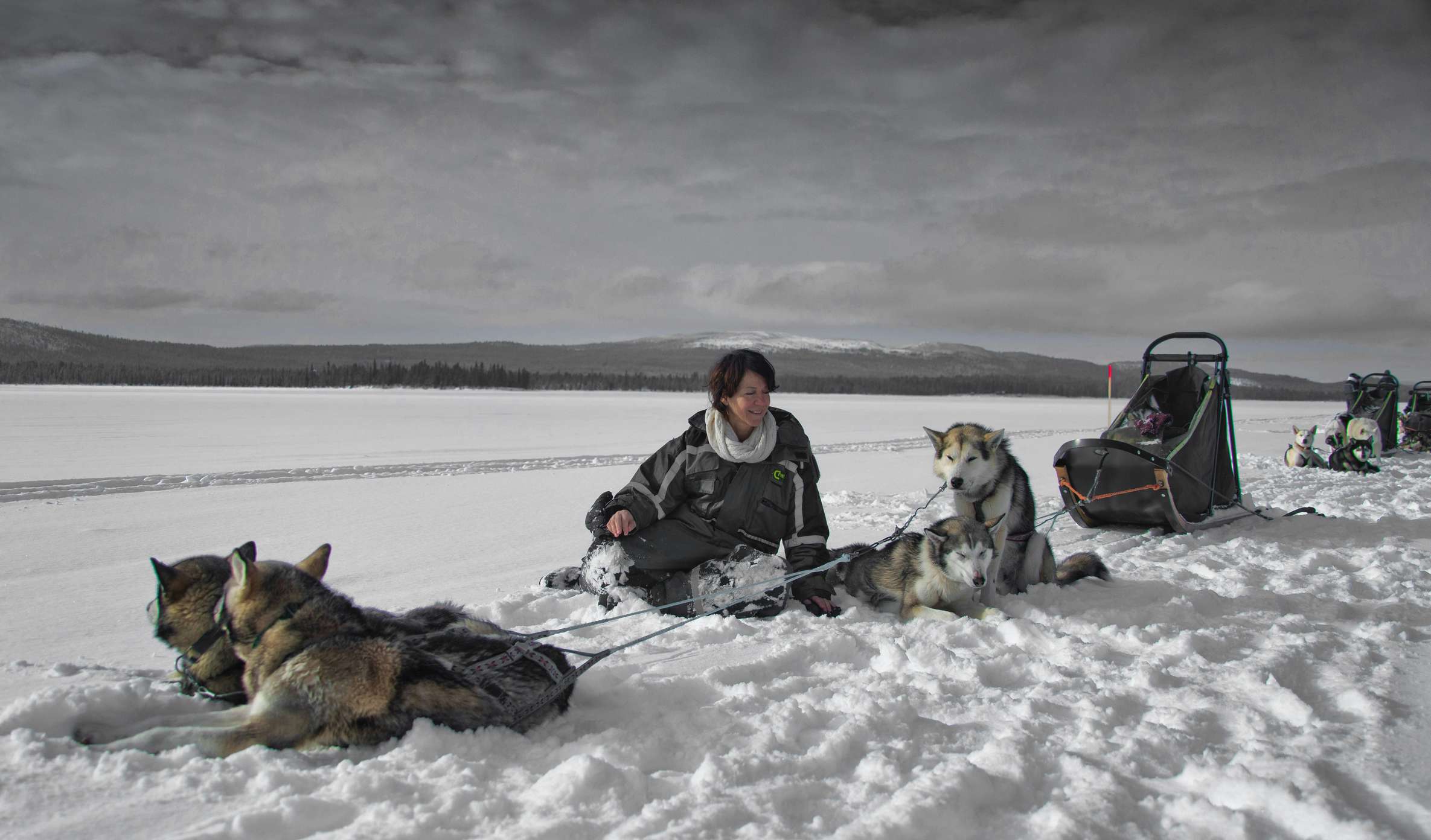
After the ride there is time to meet, pet, and photograph the huskies, usually about 20 minutes of unhurried kennel time, and it is combined with campfire snacks on wilderness safaris. Ask your guide before approaching any dog, and follow the guide's lead about petting, because working sled dogs can be shy.
Photos
Keep your phone in an inside chest pocket between photos and take it out only briefly. Below minus 10 degrees Celsius, batteries keep just 40 to 50 percent of their normal runtime, and an exposed phone can power down within minutes. One tour includes a photo stop during the ride, and a photography package can be requested in advance.
A Rovaniemi 10km husky safari guide
A 10km trail buys 25 to 50 minutes of real sledding, twice a 5km lap, and the first ten minutes are about learning the brake. The rest settles the day: when to go, who drives, what to wear.
Rovaniemi· 66.50° N, 25.73° E
If you only remember three things
1
Swap drivers halfway through a 10km run, so each of you gets 15 to 25 minutes on the runners.
2
Book a midday departure during Polar Night, because between 11 am and 2 pm the trail has its blue twilight.
3
Book Christmas departures around six months ahead, and February dates four to five weeks out.
Is a 10km husky safari worth the extra distance
Ten kilometres of forest is loud before it is quiet. The dogs howl and leap in their harnesses the moment the teams are hitched, desperate to run, and then the brake releases and all of it becomes the sound of paws on snow.
A 10km run delivers 25 to 50 minutes of actual sledding, most teams finishing in 30 to 45 minutes. That is roughly double the time a 5km trail gives you, and the difference is the kind of mushing you came for.
Short loops near town share trails with other operators and meet other groups; ten kilometres out, an hour can pass without seeing anyone.
What a 10 km husky safari delivers on snow
25-45 minactive sledding time
10 kmtrail distance
The first 15 minutes are about learning the brake. By the second half you are shifting weight on bends without thinking about it. On a shared sled, two adults swap halfway, so each of you gets 15 to 25 minutes steering on the runners.
When the price gap between a 5km and a 10km safari is small, the longer run is the one that pays for itself.
Tour for this
10 km Authentic Husky Safari in the Taiga, Family Kennel5.0★ (3) · 1 day · Hotel pickup · Free cancellation
Three hours sounds like a lot of time to spend on a 40-minute ride, and the arithmetic explains it. The kennel sits 20 to 35 kilometres out of Rovaniemi, so the transfer alone eats 20 to 45 minutes each way, and the drive stretches with the kennels that sit farther out in the forest.
Time spent on a 3-hour husky safari
3 hourstotal tour duration door to door
20 to 45 mintransfer time each way
15 to 20 minsafety briefing and instructions
30 to 50 minsled ride on the trail
Once at the farm, you spend 15 to 20 minutes suiting up in thermal overalls, meeting the pack and getting the safety briefing. The briefing covers foot braking and balance, and it matters, because the dogs are keyed up and waiting for a driver who knows what they are doing.
Then the run, 30 to 50 minutes on snow, and afterwards the part people remember. The dogs are tired and calm after pulling, which makes them easy to pet and photograph.
You get around 15 minutes of kennel time, then a fire in a kota with hot drinks and sweet snacks, sometimes grilled sausages. One thing to know: some operators run several groups through the day and the start can feel rushed. A family-run kennel is worth paying for in that respect.
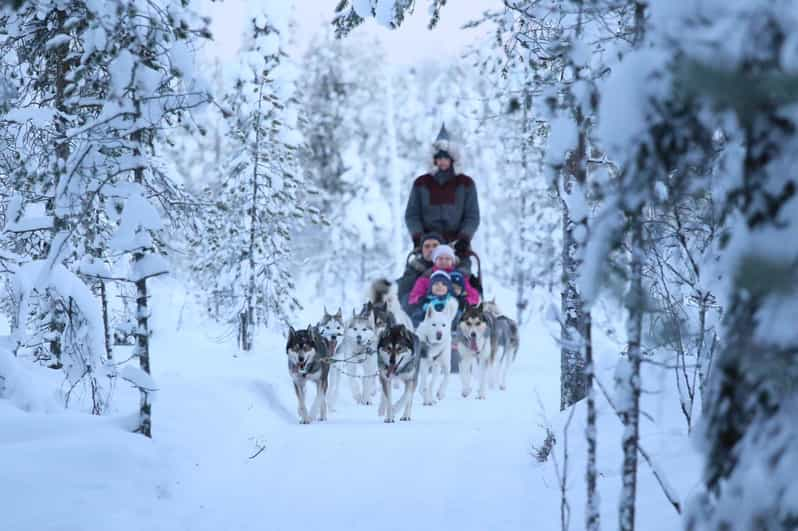
Who drives is the first decision you make on a 10km trail. On a self-drive safari, two adults share a sled and swap at the halfway point, so each steers for half the run.
On a musher-driven ride, a professional guide drives the whole way and you sit inside, which suits families with small children, photographers, or anyone unsure about standing on the runners.
The seat matters as much as the distance. Driving is physical: you stand on the runners for 15 to 25 minutes, work the brake, shift weight on bends, and occasionally step off to push the sled uphill.
Sitting is colder than moving, because sitting still in the windchill at -15°C for 40 minutes feels harsher than the same time walking. Most passengers ride under blankets.
Self-drive vs passenger sleigh
Self-drive
Passenger sleigh
Physical demand
Standing on the runners, working the brake
Sitting still, nothing to manage
Warmth
Active, so you stay warmer
Colder; add an extra layer under the gear
Who suits it
Adults with balance and fitness
Families with young children, limited mobility
Who steers
You and your partner, swapping halfway
A professional musher
Self-drive
Physical demand
Standing on the runners, working the brake
Warmth
Active, so you stay warmer
Who suits it
Adults with balance and fitness
Who steers
You and your partner, swapping halfway
Passenger sleigh
Physical demand
Sitting still, nothing to manage
Warmth
Colder; add an extra layer under the gear
Who suits it
Families with young children, limited mobility
Who steers
A professional musher
Rules to know before you book: most operators ask drivers to be at least 18, and children under 16 cannot drive on self-drive tours.
On the 10 km Authentic Husky Safari in the Taiga, Family Kennel, a small family-run kennel, each guest is assigned a sled to drive, and solo travelers often get their own team for the whole run.
Snow decides the ride more than the calendar does. January and February are the coldest months, with average lows around -11 to -14°C and snow building from roughly 50 cm in mid-January to 66 to 73 cm in mid-February. The snowpack is unbroken, and the trail is the deep powder the Arctic is about.
Husky Safari Conditions in Rovaniemi by Month
January brings mid-winter powder and extreme cold alongside heavy safari bookings, resulting in slower, high-drag sledding.
HighestDec to Mar
LowestApr to Nov
Darker: a higher how busy it gets score, out of 5
Tap a month to read it.
December brings heavy holiday crowds, polar night conditions, and soft fresh snow for winter sledding.
HighestDec to Jan11.2 to 14.6 days
In betweenFeb to Apr, Oct to Nov5.2 to 9.6 days
LowestMay to Sep0 to 2.6 days
Darker months: higher, from 0 to 14.6 days
Tap a month to read it.
July: highs around 21°C. Husky tours do not run in July due to summer warmth and the absence of snow.
HighestJun to Sep12.8 to 21 °C
In betweenApr to May, Oct3.9 to 11.4 °C
LowestNov to Mar-6.7 to -1.1 °C
Darker months: higher, from -6.7 to 21 °C
Tap a month to read it.
Powder has a price. In January, mid-winter snow slows the runners and stretches a 10km safari toward the 30 to 35 minute end of the run.
By March, melt-freeze cycles pack the crust hard, and the sleds cover the distance in about 25 minutes, demanding active foot-braking on downhills. March is the fast month, January the deep one, and both are dependable.
Late November and early December are the gamble: snow cover is unpredictable and not guaranteed, which is why operators move to wheeled carts when the white stuff is thin.
Tour for this
Rovaniemi: Drive Your Own Husky Team (5-8 km)4.4★ (460) · 5 hours · Hotel pickup · Free cancellation
Polar Night is when the departure hour matters most. Rovaniemi sits above the Arctic Circle, and from mid-November to mid-January the sun barely rises; the light is a blue twilight that lasts a few hours. Complete darkness falls around 5:40 pm in December.
Trail lighting by time of day in Polar Night
Morning9 am to 11 am
Tours start in the dark and gradually gain twilight.
Midday Peak11 am to 2 pm
Peak blue-hour twilight and maximum trail visibility.
Late afternoon2 pm to 3:30 pm
Fading blue twilight; sled tours finish in darkness.
Evening3:30 pm to 9 pm
Full darkness requiring headlamps on the trail.
QuietBusyThe busiest
The midday window, 10:30 am to 2 pm, is the peak of that twilight and the best light you will get on the trail: blue snow, long shadows, and enough visibility to see the terrain ahead. Morning departures before 11 am start in the dark, and afternoon tours after 2 pm finish in it.
Midday is the only good light, and families with children should treat it as the only option, because kids cannot see what they are riding through in darkness.
The upside of the long dark: the Northern Lights can appear over the trail on the clear nights of December and January, and March has the most clear dark nights of the winter.
Walk-in discounts do not exist here in peak winter, and the booking windows are the proof. For the Christmas period, prime departures in Rovaniemi frequently fill six months ahead, with the standard booking window running six to eight weeks out.
For February and its school holidays, slots sell out four to five weeks to two to three months in advance.
Pro tipBook peak-season dates early: prime Christmas departures fill six months ahead, and February school-holiday slots sell out four to five weeks out.
Which is a reason to book this tour early. The Rovaniemi: Insider 10 km Husky Sled Ride runs a 4-hour excursion with pickup in a van, thermal winter gear fitted before departure, a 10km ride with driver switching, and hot drinks and local snacks in a traditional kota at the end.
The day it covers is the one this guide has walked through: pickup, gear, the run, the kota fire.
Tour for this
Rovaniemi: Husky Safari with Transfers & BBQ4.9★ (220) · 4 hours · Hotel pickup · Free cancellation
Pickups happen in the heart of town. Safari buses and vans collect guests from major downtown hotels such as Santa's Hotel Santa Claus and Scandic Rovaniemi, and from safari offices along Maakuntakatu and Korkalonkatu.
From there, the drive out to the wilderness runs 20 to 60 minutes, depending on how far into the forest the kennel sits; the closest kennels sit 20 to 35 km out of town, and those keep the transfer to 20 to 45 minutes each way.
Travel times from Rovaniemi to wilderness husky kennels
Take the bus. The kennels sit on snow-covered roads 16 to 45 km out of town, and operators advise against rental cars in winter because icy, remote gravel roads strand inexperienced drivers.
The transfer is included with the tour, and the mandatory thermal clothing fitting happens at the city office before departure, which makes a rental car pointless for the day.
The pickup points sit in central Rovaniemi, and the city around them is worth a morning: the old post office where Santa's letters go, Santa Claus Village a short drive away, and a handful of small parks and galleries within a few minutes' walk of the office.
The fitting happens at the kennel or city office before departure, and the operator supplies the heavy gear: an insulated one-piece thermal suit, thick winter boots, bulky mittens, and wool socks. What you wear underneath is what decides whether you stay warm, because the suit is windproof but not heated.
Clothing and gear to bring under tour overalls
Merino wool or synthetic base layerLong-sleeved thermal top and leggings wick moisture away from skin. Avoid cotton, which absorbs sweat and causes rapid cooling.
Fleece or wool mid-layerA warm fleece jacket or wool sweater worn over thermals traps body heat beneath the windproof outer thermal suit.
Thick wool socksWear one breathable wool pair inside provided winter boots; avoid multiple tight layers that compress feet and cut blood circulation.
Windproof beanie or thermal hatMust fit snugly over your ears and forehead to stop body heat escaping into sub-zero Arctic windchill.
Thermal neck gaiter or balaclavaProtects exposed facial skin and neck; far safer and less prone to unraveling on sled runners than long loose scarves.
Touchscreen-compatible glove linersWorn inside supplied thick mittens so you can operate phone cameras or adjust sled clips without exposing bare skin.
Chemical hand and toe warmersAdhesive heat packs inserted into mittens and boots keep extremities functional while gripping cold sled handlebars.
The rule underneath is simple: no cotton, and layers you can adjust. A merino or synthetic base layer wicks sweat away, a fleece or wool mid-layer traps heat, and a snug wind-tight hat over your ears does more than any jacket you brought.
The suit keeps you warm while you are moving, but the runners are not much movement: standing still for 15 to 25 minutes in the windchill feels colder than walking.
Travelers who go often add a thermal mitten over a standard glove, pull an insulated hood over the beanie, and pack chemical hand and toe warmers into mitts and boots.
The brake is a U-shaped metal bar with two hanging claws at the back of the sled. Step on it, and the claws dig into the snow to slow and stop the team.
That is all the control you need on flat terrain, which is easy mushing; the hills are where you work. On an uphill climb, drivers help the dogs by scooting off a runner or jogging behind and pushing the sled.
What nobody tells you
The team does not stop when the driver falls
If you slip from the runners, let go of the handlebar; the dogs keep running until they hear a command or feel the brake, and a guide along the trail intercepts a runaway team. Holding onto the sled when you fall can drag you forward.
The brake is a foot brake at the back of the sled
You step on it, which is why balance and leg strength decide the ride.
Guides can reassign you to the passenger seat
If a driver cannot manage the sled safely, the guide moves them before the trail gets rough.
The team does not stop when the driver falls, which is the one rule worth repeating before departure. Pregnant women and travelers with back problems are not advised on this kind of ride, because of the bumps and vibrations.
No prior dog sledding experience is required. The dogs are trained to respond to basic commands, and the instruction covers the rest.
Tour for this
Rovaniemi: Husky Safari with 1, 5, 10 & 20 KM Options4.2★ (842) · 3.5 hours · Free cancellation
Cold snaps headline the forecast, but they rarely cancel the run. Operators shorten sled runs when temperatures reach -28 to -30°C, splitting them into shorter sections or switching to guide-driven sleds.
Cancellation happens at -35°C or colder, or -30°C on exposed trails. During the peak winter season, average monthly lows sit between -8 and -12.5°C, so a real cold snap is a rare day in your trip.
What happens if the weather turns
If this happens
What happens then
Thin snow
Operators run on wheeled carts, use stored snow on early-season tracks, or shorten the trail distance.
A major change to distance or duration
Guests are offered an alternative program with a partial refund, or the option to cancel for a full refund.
A temperature of -28 to -30°C
Runs are shortened, split into sections, or switched to guide-driven sleds.
A temperature of -35°C or colder
Tours are cancelled, with refund terms per the tour's cancellation policy.
A low-snow day means a shorter day on the trail. The terrain itself is part of the attraction, and a 10km trail can cross a wide frozen lake, which is a sight you will remember long after the ride.
Ten kilometres is a lot for a small child, and the family tours know it: family safaris typically reduce the distance to 3 to 5 kilometres, and the 10km wilderness runs are suited for families with children aged 5 and older.
Some operators cap children under 5, and on one tour, children under 12 must be accompanied by an adult paying full price.
On self-drive tours, children ride in the sled basket while adults take the handlebar, up to two kids per sled. Family safaris typically reduce the distance to 3 to 5 kilometres, and that is the honest answer for families with young children.
If your child is anxious or unsure, the trick is to book a short flat taster ride first, because a 5-minute lap and a 10km trail through the forest are two different animals.
Timid children can be terrified by the dips, the speed, and the uneven ground of a wilderness trail, especially one that runs in fading light. For toddlers, the walk-in rides at Santa Claus Village's Husky Park handle the youngest, no booking needed, and children under four join free with an adult.
Are the dogs treated well is the question that decides whether you book, and the answer is a matter of what to look for. Finnish law does not require constant access to water or regular health checkups for sled dogs, and the kennel owners and staff hold the responsibility for welfare monitoring themselves.
The kennels that stand out are the ones that limit daily guest runs, keep transparent veterinary care, and hold a third-party ecolabel such as Green Activities.
What people wrongly assume
MythThe dogs hate running
Reality
Huskies howl and leap before departure because they are desperate to run; it is what they live for.
MythDog sledding is a Sámi tradition
Reality
It is a modern tourism activity imported to Lapland in recent decades.
MythEvery kennel is independently inspected
Reality
Finnish law leaves welfare monitoring to the kennel owners and staff.
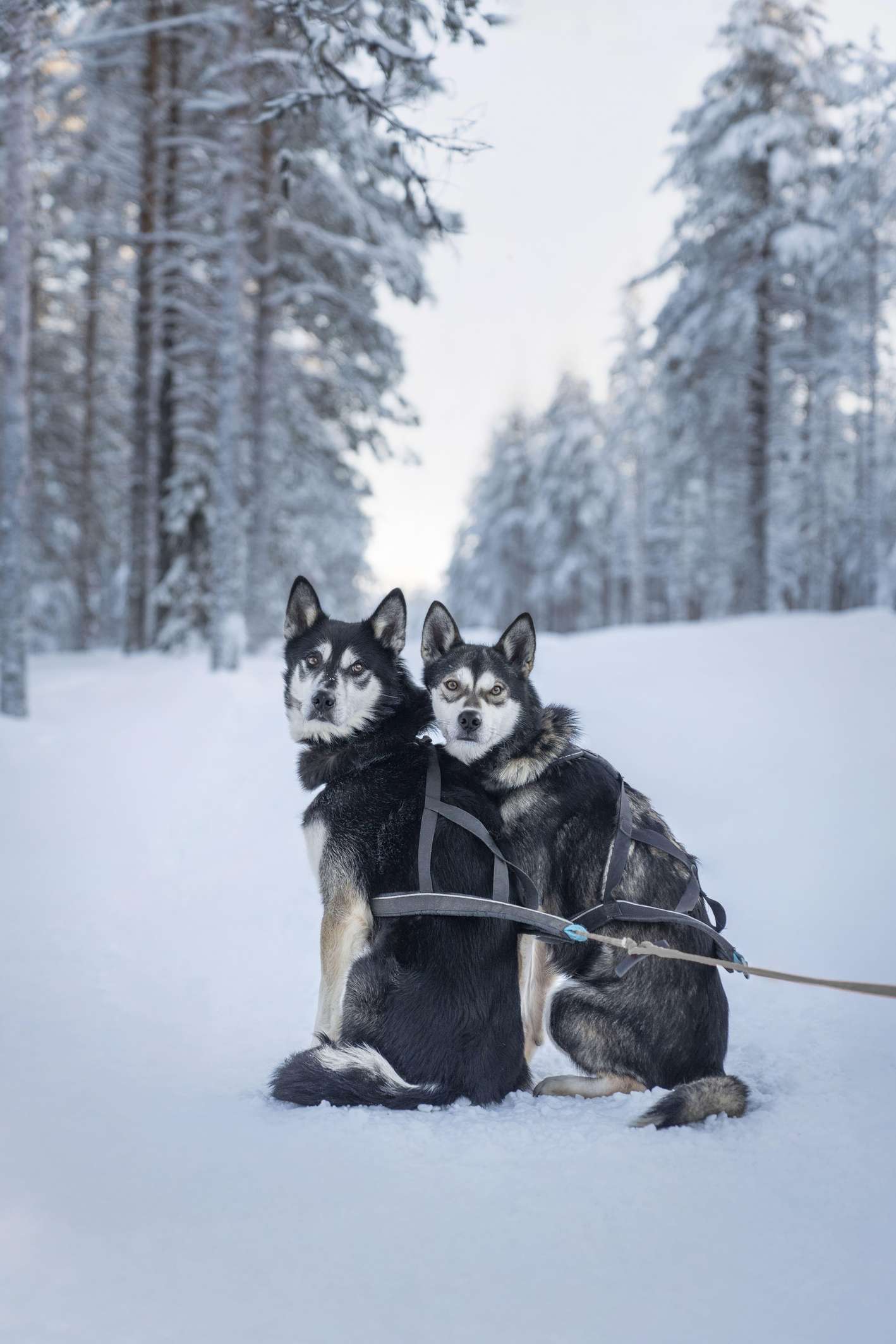
The dogs are Alaskan huskies, purposeful crossbreeds selected for performance, and Siberian huskies, the registered purebred. A last practical thing: batteries keep only 40 to 50 percent of their runtime below minus 10 degrees, and exposed phones can power down in minutes, so keep the phone in an inside chest pocket between photos.
Great! Beautiful frozen nature and scenic route. Learned about mushing, played with puppies, and had warm juice and sweets in a traditional kota. Recommended, just dress warmly!
A 10km husky safari is the right distance for anyone who wants to drive the sled.
Book midday in Polar Night, six months ahead for Christmas, and the run delivers 30 to 45 minutes of sledding and a kota fire at the end. Skip it for children under 5, or for late-afternoon departures that finish in the dark.
Go ifYou want to drive the sled yourself and take turns on the runnersYour dates are fixed in January or February, or you can book March for the fast crustYou can book a midday departure, with the best light of the day
Skip ifYou are traveling with children under 5, or a pregnant travelerYou cannot commit to a booking six months ahead for peak Christmas dates
Quick answers to the questions travelers ask before booking a 10km husky safari in Rovaniemi.
Rovaniemi2026
The dogs howl and leap before departure because they are desperate to run. Book your 10km slot early, prime times fill months ahead.
How long does the sled ride actually last on a 10km husky safari?
The 10km run delivers roughly 25 to 50 minutes of active sledding, with most teams finishing in about 30 to 45 minutes depending on snow conditions and the dogs' pace. On shared self-drive sleds, drivers swap halfway, so each person gets roughly 15 to 25 minutes on the runners.
Why does a 10km tour say 4 hours when the ride is only 30 to 45 minutes?
The total covers the door-to-door excursion. Kennels sit 20 to 35 kilometres outside Rovaniemi, so transfers take 20 to 45 minutes each way.
At the farm you spend 15 to 20 minutes suiting up in thermal overalls, meeting the pack, and listening to the safety briefing, then kennel time and hot drinks by the fire afterwards.
Is driving a 10km sled too physically demanding for a beginner?
A basic level of fitness, equivalent to walking briskly uphill, is enough. Driving is easy on flat terrain, but on climbs you step off a runner and jog behind, pushing the sled to help the dogs.
Standing on the runners for 15 to 25 minutes is tiring for the legs, which is why the swap at halfway works in your favor.
Do both adults get to drive, or does one person do the whole run?
Riders typically pair up on each self-drive sled and swap between driving and sitting at the midway point, so both get their turn. Solo travelers often get the pleasant surprise of being assigned their own sled for the entire journey.
What happens if I fall off the runners or let go of the sled?
Let go of the handlebar and avoid grabbing the sled, harness lines, or dogs. The team keeps moving until it hears a command or feels the brake, then it either halts on its own or a guide intercepts it along the trail.
Is a 10km trail worth the extra cost over a 5km loop?
When the price difference is small, moving up to 10km doubles the trail distance for a modest extra cost. The longer run also takes you farther from roads and buildings, where shorter loops near town share trails with other groups, so you can go an hour without seeing anyone.
How cold is it on the sled, and what happens in extreme weather?
Operators shorten runs when temperatures reach between -28°C and -30°C, and cancel tours entirely at -35°C or colder. Wind chill on an open sled makes cold feel harsher than standing still, so sit passengers should keep an extra layer on, and blankets are provided in the passenger seat by some operators.
Can children ride along on a 10km safari?
Children ride as passengers inside the sled while adults drive, and on some sleds children join up to a maximum of two adults and two children. On self-drive tours, children under 16 cannot drive, and a child under 12 rides with an adult paying the full price on the flexible distance tour.
How much time do I get to pet and meet the huskies?
On wilderness kennel safaris, time with the dogs is generally unhurried and comes together with campfire snacks and hot drinks. Structured meet-and-greets typically last about 20 minutes, though fast commercial runs can compress petting time to around five minutes.
Do I need to book a 10km husky safari in advance?
Advance booking is essential for peak winter dates. Rovaniemi prices rarely drop for walk-ins, and for the Christmas period prime departures often fill six months ahead, with February slots selling out from four to five weeks to two or three months in advance.